 Save
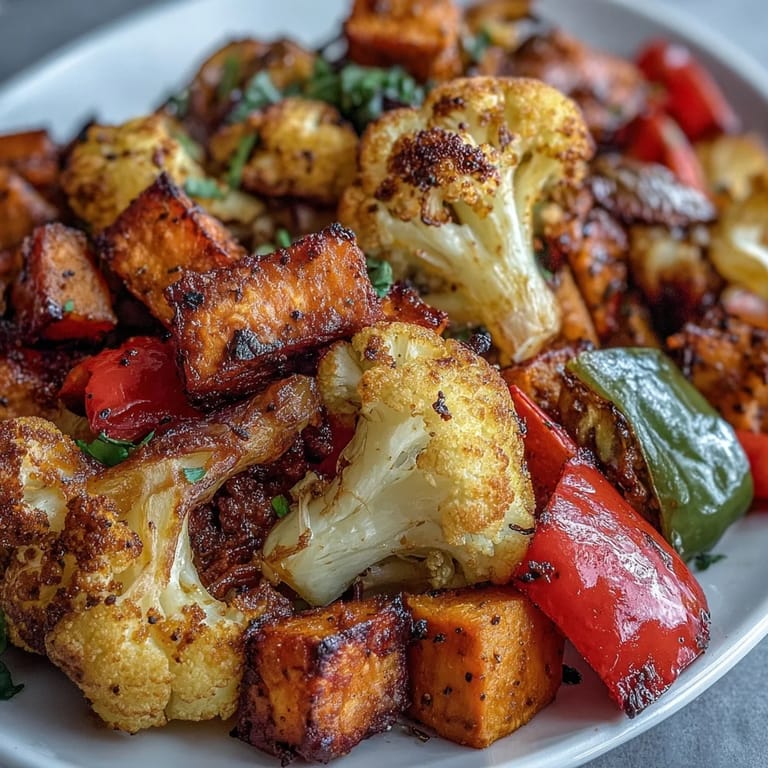
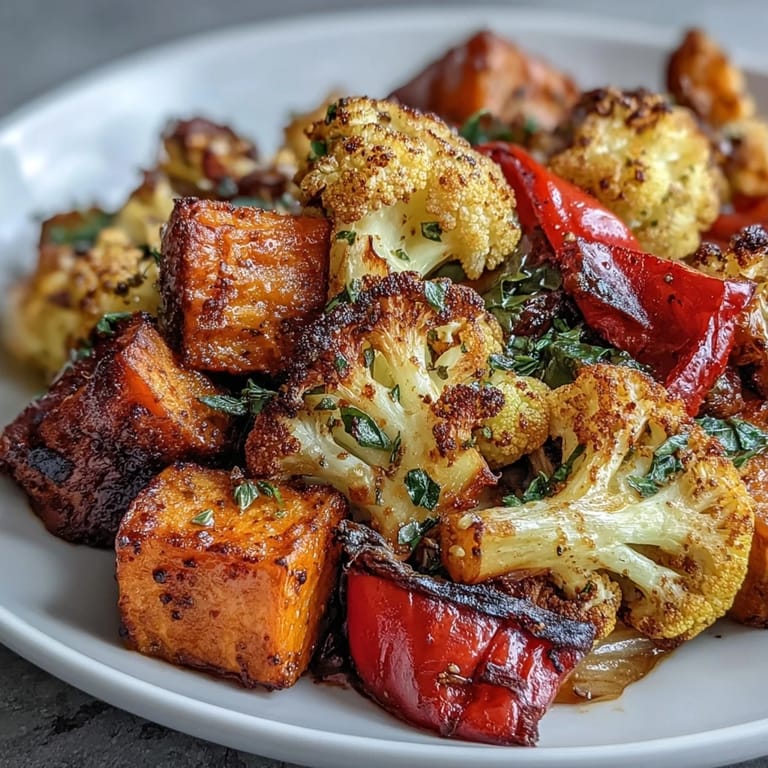
Save There's something about the smell of turmeric hitting a hot oven that makes me feel like I'm doing something good for my body, even before I taste it. My neighbor mentioned she'd been roasting vegetables with spices as part of her morning routine, and I was skeptical until I tried it—suddenly, a simple side dish became the thing I looked forward to making on Sunday afternoons. The golden color alone made me happier than it probably should, but when those crispy edges caught the light, I understood the appeal completely.
I made this for a dinner where everyone was tired and overstuffed from earlier eating, and somehow these vegetables disappeared first from the table. One friend asked for the recipe thinking there was some secret technique involved, and I loved telling her it was just good vegetables, good spices, and an oven doing most of the work.
Ingredients
- Cauliflower florets: Choose larger florets so they roast evenly and get those crispy, caramelized edges you're after.
- Broccoli florets: Cut them similar in size to the cauliflower so everything finishes at the same moment.
- Sweet potato: Cubed rather than sliced keeps them from drying out, and the natural sweetness balances the warm spices beautifully.
- Carrots: Slice them on a slight bias so they cook through without falling apart.
- Red bell pepper: Adds brightness and a gentle sweetness that prevents the dish from feeling too heavy.
- Red onion: Cut into wedges so the layers stay together and caramelize into something almost candied.
- Extra-virgin olive oil: Use the good stuff—it's the vehicle for all your spices and makes a real difference in the final flavor.
- Ground turmeric: This is the star, warming and slightly earthy with real anti-inflammatory power when you roast it.
- Ground cumin: Adds a subtle nuttiness that makes the turmeric feel less standalone and more like part of a flavor story.
- Ground coriander: A whisper of floral warmth that ties everything together without announcing itself.
- Smoked paprika: Brings depth and a hint of char that makes you feel like you spent more time on this than you did.
- Sea salt and black pepper: Don't skip seasoning properly—it's what makes all the other spices shine instead of fade.
- Lemon juice: The finishing touch that wakes everything up and cuts through the richness of the oil.
- Fresh cilantro or parsley: Optional but worth it if you have it—adds brightness and a garden-fresh quality.
Tired of Takeout? 🥡
Get 10 meals you can make faster than delivery arrives. Seriously.
One email. No spam. Unsubscribe anytime.
Instructions
- Heat your oven and prep your pan:
- Set the oven to 425°F and line your baking sheet with parchment paper so nothing sticks and cleanup is effortless. This high heat is what gives you those golden, slightly crispy edges that make the whole dish worthwhile.
- Gather and cut your vegetables:
- Get all your vegetables prepped and into a large bowl—this is the moment to think about size consistency so everything roasts together. Take your time here; vegetables cut haphazardly will cook unevenly and disappoint you.
- Make your spice blend:
- In a small bowl, whisk together the oil and every spice until it's fragrant and well combined. You'll know it's right when the turmeric turns the oil a gorgeous golden color.
- Coat everything evenly:
- Pour that spice mixture over your vegetables and toss with your hands or two spoons until every piece is glossy and coated. Don't be shy—use all that spiced oil and make sure nothing gets left behind in the bowl.
- Arrange on your pan:
- Spread the vegetables in a single layer, giving them room to breathe and roast rather than steam. If your vegetables are crowded, they'll soften instead of caramelize.
- Roast with one important moment:
- Put them in the oven and set a timer for about 15 minutes, then stir everything around and return it for another 10–15 minutes. You're looking for golden color and tender interiors with crispy edges.
- Finish and serve:
- Once they're done, drizzle with lemon juice and scatter fresh herbs across the top if you have them. The lemon brightens everything and keeps the dish from feeling one-note.
 Save
Save My mom tried this once and started asking questions about the spices, realizing for the first time that food could actually taste medicinal in a good way instead of feeling like a chore. That moment made me understand why people get excited about cooking for wellness rather than just sustenance.
Seasonal Swaps That Actually Work
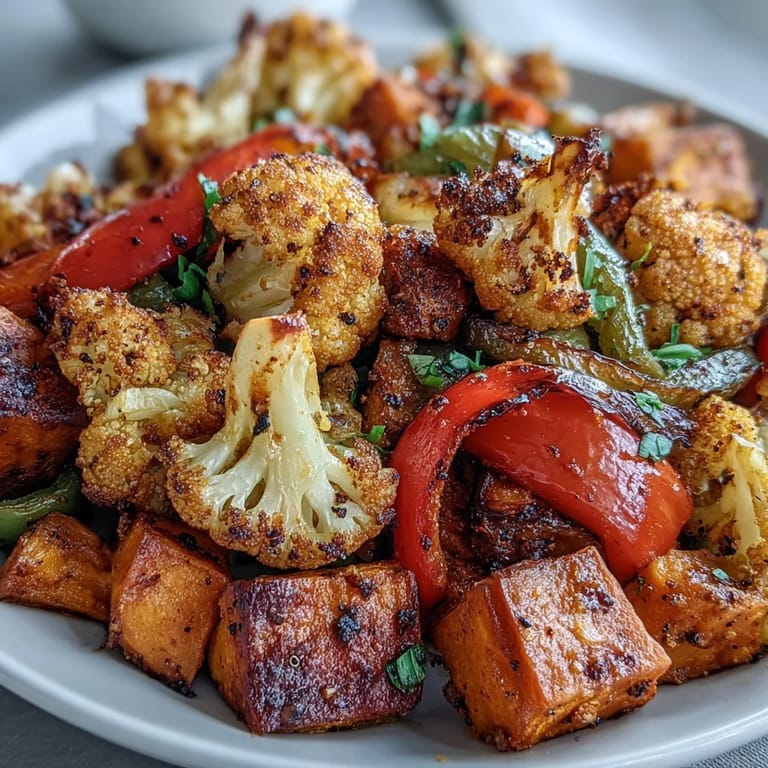
The beauty of this recipe is that it's honest about vegetables—whatever's in season will work if you respect the cooking time. Brussels sprouts halved and roasted get crispy in the same timeframe, butternut squash cubes will caramelize sweetly, and zucchini will stay tender if you add it in the last 15 minutes so it doesn't turn mushy. The spices don't demand specific vegetables; they enhance whatever you give them.
Stretching This Into a Meal
Serve these over quinoa or brown rice and you've moved from side dish to actual dinner, which is something I discovered by accident when I was too lazy to make anything else. The roasted vegetables and their spiced oil become almost a sauce, pooling into the grains and making everything taste more intentional than it actually was. Add a dollop of non-dairy yogurt on the side and suddenly you have texture contrast and a cooling element that makes the warm spices feel balanced.
Why This Works as Everyday Cooking
This isn't fancy or complicated, which is exactly why I keep making it. You're not standing over the stove watching things, you're not juggling multiple pans or timing, and you end up with something that tastes genuinely delicious instead of like virtue.
- The 30-minute roast time is long enough to make real flavor but short enough that you can have dinner ready before you've mentally checked out.
- Everything goes on one pan, meaning one thing to clean and minimal decisions about technique.
- If you're eating plant-based or avoiding gluten, this asks for no substitutions or workarounds—it's naturally both.
 Save
Save This recipe has become the thing I make when I want to feel like I'm taking care of myself without it feeling like a sacrifice. That's the whole point, really—food that's good for you should taste like it too.
Recipe Questions & Answers
- → What vegetables work best for roasting with turmeric?
Hardy vegetables like cauliflower, broccoli, sweet potatoes, carrots, and bell peppers hold up beautifully during high-heat roasting. They absorb the turmeric spices while developing caramelized edges and tender centers.
- → How do I prevent turmeric from staining?
Work quickly when coating vegetables and use parchment paper on your baking sheet. The natural oils help distribute turmeric evenly. Any surface contact typically washes off with warm soapy water.
- → Can I prepare these vegetables ahead of time?
Yes, chop and coat the vegetables up to 24 hours in advance. Store them in an airtight container in the refrigerator, then roast when ready. The flavors actually develop more depth during marination.
- → What enhances turmeric absorption?
Black pepper significantly improves turmeric absorption due to its piperine content. The recipe includes black pepper in the spice blend, and the healthy fats from olive oil further enhance nutrient uptake.
- → How do I know when the vegetables are perfectly roasted?
Look for golden-brown caramelization on edges and fork-tender centers. The vegetables should have slightly crisped exteriors while remaining moist inside. Stirring halfway ensures even cooking.
- → What can I serve with these roasted vegetables?
These pair wonderfully with quinoa, brown rice, or farro for a complete meal. They also complement grilled proteins, work in grain bowls, or shine alongside simple roasted chicken or fish.