 Save
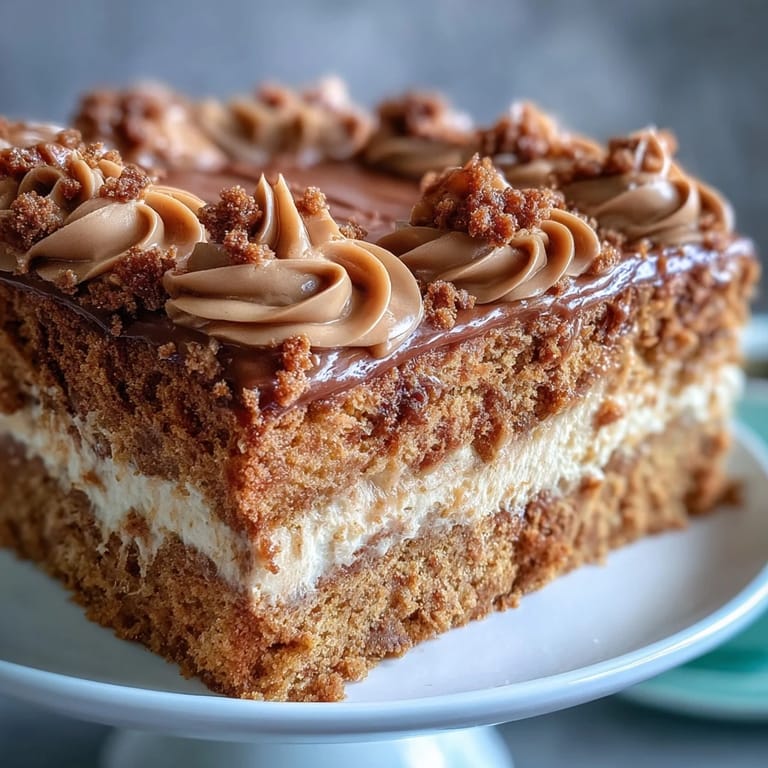
Save My sister arrived home with a jar of Lotus spread tucked in her handbag, grinning like she'd discovered treasure. She insisted we bake something that very afternoon, and I found myself standing in the kitchen wondering how to transform that spiced caramel magic into something worthy of a celebration. The answer came together with crushed Biscoff biscuits swirled into vanilla cake, topped with the creamiest frosting I'd ever made. That first slice, still warm, changed how I thought about afternoon baking.
I made this cake for my neighbor's book club, and watching them go quiet after the first forkful was the kind of kitchen victory that doesn't need applause. Someone asked for the recipe before they'd even swallowed, which felt like the ultimate compliment. The combination of something familiar with a twist seemed to matter more than perfection that evening.
Ingredients
- Biscoff biscuits, crushed (200 g): These bring the soul to the cake, creating pockets of caramel-spiced sweetness that don't disappear in the oven like you might expect.
- All-purpose flour (250 g): The foundation that holds everything together without being heavy or tough.
- Baking powder and baking soda (1 tsp and 1/2 tsp): The pair work in tandem to give you that tender, almost cloud-like crumb.
- Salt (1/4 tsp): A whisper of salt makes the sweetness feel less one-note and more complex.
- Unsalted butter, softened (200 g for cake): Room temperature is non-negotiable here because cold butter won't incorporate evenly no matter how long you beat it.
- Granulated sugar (200 g): This creams with the butter to trap tiny air bubbles that make the cake rise naturally.
- Eggs (3 large): Add them one at a time so they emulsify properly, binding everything with richness.
- Vanilla extract (1 tsp): Just enough to complement without competing with the Lotus flavor.
- Whole milk (200 ml): Alternating with flour keeps the batter from becoming dense or grainy.
- Lotus spread (100 g for cake, 100 g for frosting): This is where the magic lives; buy extra because you'll want to taste it on a spoon while baking.
- Unsalted butter, softened (250 g for frosting): More butter here means a frosting that tastes like silk feels.
- Powdered sugar (300 g): Sift it if you have time to avoid gritty frosting.
- Heavy cream or milk (2–3 tbsp): Start with less and add gradually because frosting consistency is impossible to predict until you taste it.
Tired of Takeout? 🥡
Get 10 meals you can make faster than delivery arrives. Seriously.
One email. No spam. Unsubscribe anytime.
Instructions
- Set your oven and cake pan up for success:
- Preheat to 180°C (350°F) while you grease and flour your 9-inch pan or line it with parchment paper. Cold ovens and stuck cakes are preventable disasters.
- Combine your dry ingredients:
- Sift the flour, baking powder, baking soda, and salt together in a large bowl. This step aerates everything and prevents lumps from ruining your crumb.
- Cream butter and sugar into fluffy clouds:
- Beat the softened butter and sugar on medium speed for 3 to 5 minutes until pale and noticeably fluffier. This is where the cake gets its tender structure, so don't rush it.
- Add eggs and vanilla one at a time:
- Drop in each egg individually and mix well before the next one arrives. Pour in the vanilla and give it another gentle stir.
- Alternate wet and dry ingredients like a careful dance:
- Add roughly a third of the flour mixture, then some milk, repeating until both are incorporated. Starting and ending with flour keeps the batter from becoming too wet.
- Fold in the Biscoff magic:
- Use a rubber spatula to gently fold in the crushed biscuits and Lotus spread, being careful not to deflate all those air bubbles you just created. You'll see ribbons of caramel color swirl through.
- Bake until golden and set:
- Pour into the pan, smooth the top, and bake 35 to 40 minutes until a toothpick comes out clean. The kitchen will smell impossibly good.
- Cool with patience:
- Let it rest in the pan for 10 minutes, then turn it onto a wire rack to cool completely. This prevents the bottom from steaming itself soggy.
- Beat butter until it's glossy and smooth:
- For the frosting, cream the softened butter alone first until it looks like soft waves. This prevents grainy frosting that never quite smooths out.
- Gradually add powdered sugar so it doesn't cloud your kitchen:
- Add it slowly on low speed, then turn up to medium-high once it's mostly incorporated. Beat for 3 minutes until fluffy.
- Fold in Lotus spread and cream until silky:
- Add the spread in one go, then drizzle in the cream while mixing. If it's too thick, add more cream drop by drop until frosting-consistency perfection arrives.
- Frost the cooled cake with confidence:
- Spread or pipe the frosting over the top and sides once the cake is completely cool. Top with extra crushed Biscoff if you want it to look as good as it tastes.
 Save
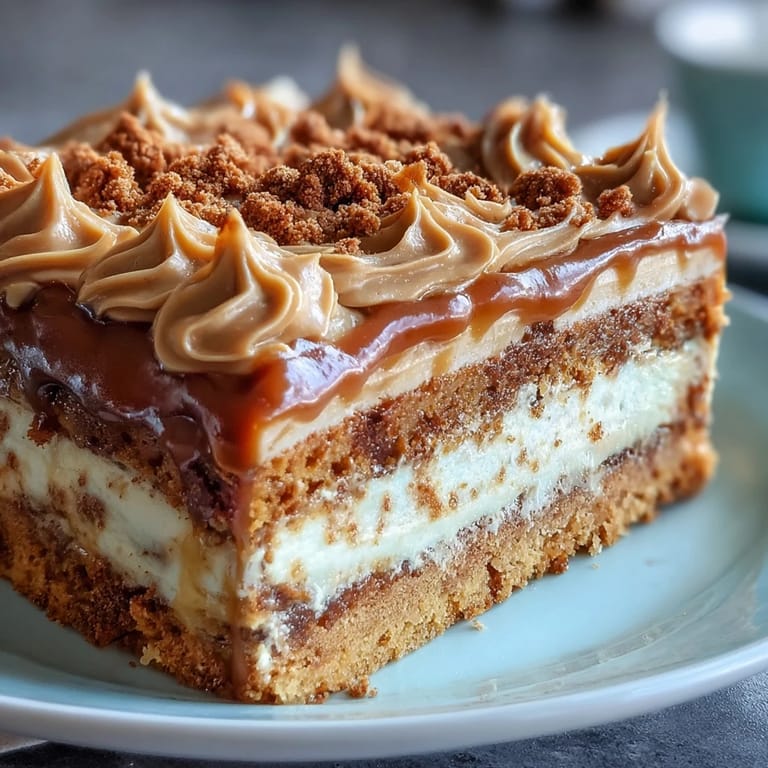
Save The moment a child asked if this was 'the fancy cake with the crunchy bits' made me realize that sometimes the best desserts are the ones people remember not just for taste, but for how they made them feel in that moment. That's what this cake does.
Why This Combination Works
Vanilla cake is neutral enough to let Lotus spread shine without competing for attention, while crushed Biscoff biscuits add texture that stays pleasant through the frosting. The sweetness is balanced by just enough salt and the earthiness of caramel-spiced cookies, so it doesn't feel cloying even when you're on your second slice. I've learned that contrast makes desserts memorable, and this one has plenty of it.
Storage and Make-Ahead Strategy
This cake keeps beautifully at room temperature in an airtight container for up to 3 days, though honestly it rarely lasts that long. You can bake the layers a day ahead and frost them the morning of serving, which takes some pressure off the timeline. The frosting itself can be made several hours early and kept covered in the fridge, then brought to room temperature and re-whisked gently if it's been sitting.
Serving Suggestions and Personal Touches
Serve this alongside coffee or tea, as the slight spice in the Biscoff pairs beautifully with both. A slice tastes even better when shared, and I've found people are more willing to take seconds if you frame it casually rather than insisting it's special. For a fancier presentation, pipe the frosting in swirls and dust the top with crushed Biscoff, but honestly a simple spread looks just as inviting.
- Add chocolate chips or chopped nuts to the batter if you want extra layers of flavor and texture.
- Drizzle extra Lotus spread over frosting for an Instagram-worthy finish that tastes as good as it looks.
- This cake freezes well unfrosted for up to two months, so bake it ahead if you're planning a gathering.
 Save
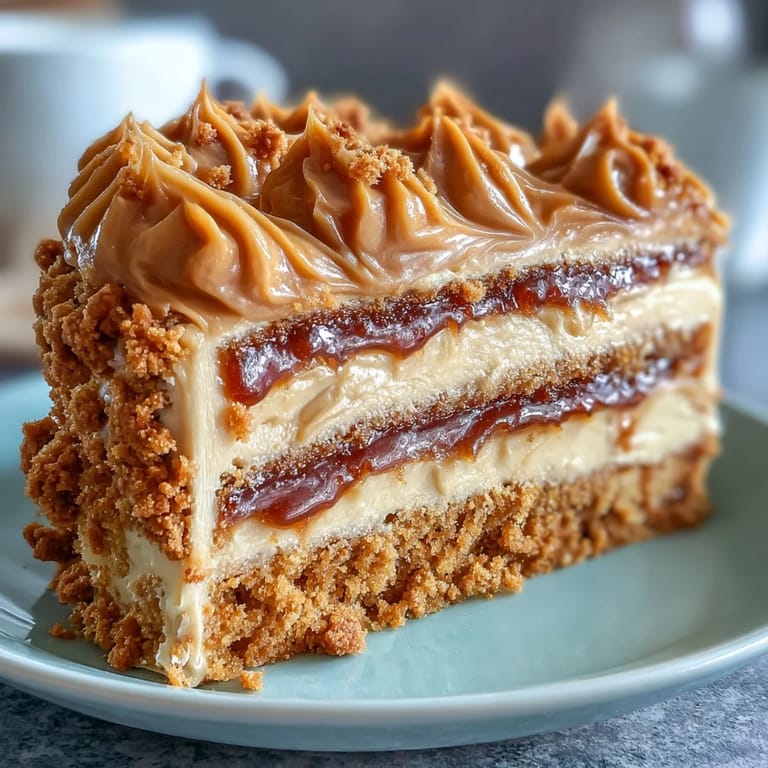
Save This cake has become my answer to the question of what to bring somewhere special. It's indulgent without being fussy, memorable without requiring perfect technique, and somehow both comforting and exciting at the same time.
Recipe Questions & Answers
- → What does Biscoff spread taste like?
Lotus Biscoff spread has a distinct caramelized flavor with warm spice notes similar to cinnamon and ginger. It's naturally sweet with a nutty, buttery profile that comes from the caramelized sugar in the original Biscoff biscuits. The spread is smooth yet slightly grainy, delivering that signature cookie taste in spoonable form.
- → Can I make this cake ahead of time?
Yes, this cake stores beautifully for up to three days in an airtight container at room temperature. The flavors actually develop and intensify after a day. You can bake the sponge layers ahead, wrap them tightly in plastic, and frost the day you plan to serve. For longer storage, freeze the unfrosted cake for up to three months.
- → How do I know when the cake is done baking?
Insert a wooden skewer or toothpick into the center of the cake—if it comes out clean or with just a few moist crumbs, it's ready. The edges should pull slightly away from the pan, and the top should spring back when gently pressed. Visual cues include golden-brown coloring and a lightly cracked surface typical of butter cakes.
- → Can I substitute the Lotus spread?
While nothing replicates Biscoff's unique flavor exactly, you can try other cookie butter spreads available at Asian markets. Some bakers successfully use speculoos spread or make their own by blending crushed ginger snaps with melted butter and condensed milk. However, the caramelized spice profile will differ from authentic Lotus Biscoff.
- → Why did my cake sink in the middle?
Sinking usually indicates underbaking or opening the oven door too early. The structure needs full baking time to set properly. Other causes include too much sugar or leavening, or overmixing the batter which incorporates excess air. Always bake until a tester comes out clean and cool in the pan for the full 10 minutes before transferring to the rack.
- → How can I make the frosting extra creamy?
The secret is room-temperature butter beaten until perfectly smooth before adding any sugar. Whip the frosting on medium-high speed for at least three minutes—this aeration creates that silky texture. If the frosting feels too stiff, add cream one teaspoon at a time. For ultra-smooth results, some bakers briefly microwave the Lotus spread to soften it before incorporating.