 Save
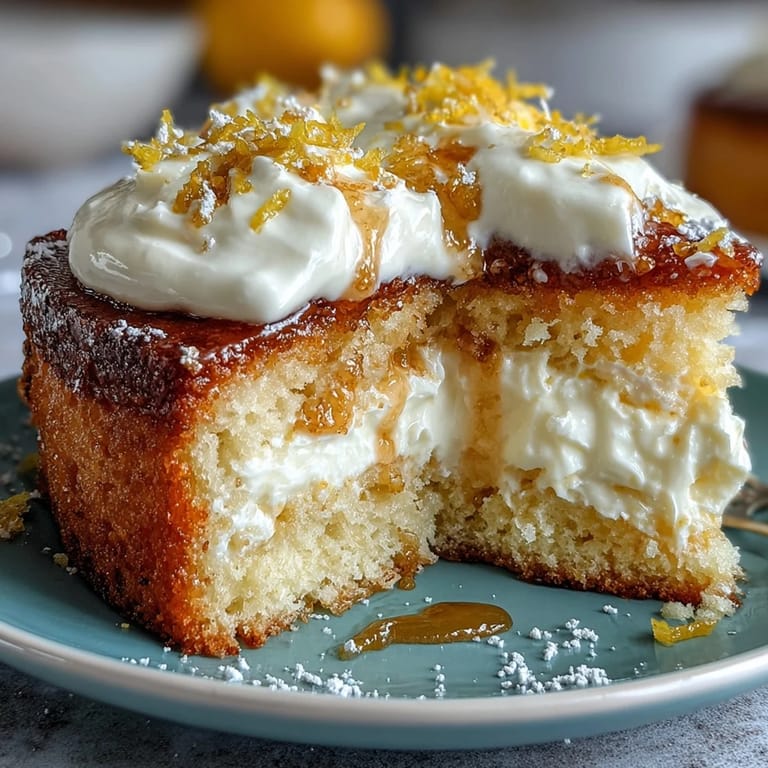
Save There's a moment in spring when you realize winter's heavy desserts no longer fit the mood, and that's when this lemon tart found its way into my kitchen. I'd been standing in a friend's garden, surrounded by blooming fruit trees, when she mentioned how her grandmother's tart recipe had been lost years ago. Something about that conversation—mixed with the scent of fresh lemons at the market that same afternoon—made me determined to create something that tasted like sunshine and butter in equal measure. The result was this elegant, zesty creation that's become my go-to for dinner parties when I want something that feels both impressive and genuinely simple.
I made this for the first time on a rainy Tuesday evening, not for a party at all, but because I'd bought three beautiful Meyer lemons and suddenly needed a reason to use them. My partner walked in from work just as the tart came out of the oven, and the smell stopped him mid-stride—we sat by the window with two forks, waiting impatiently for it to cool, talking about absolutely nothing while the spring rain tapped against the glass. That quiet moment turned this recipe into something more than just a dessert formula; it became the thing we reach for whenever we want to slow down together.
Ingredients
- All-purpose flour (1 1/4 cups): The foundation of a proper shortcrust—you want enough structure to hold everything without toughness, so resist the urge to overmix once it starts coming together.
- Unsalted butter, cold and cubed (1/2 cup for crust, plus 1/2 cup melted for filling): Cold butter creates those delicate flakes in the pastry, while the melted butter in the filling adds richness and helps the eggs set properly.
- Powdered sugar (1/4 cup): This dissolves instantly in the dough, giving you a tender crumb and subtle sweetness that doesn't fight the lemon.
- Fine sea salt (1/4 tsp for crust, pinch for filling): Salt amplifies the lemon's brightness rather than making things taste salty—it's crucial for both components.
- Large eggs (3 whole, plus 5 yolks total): The yolks create that signature custardy texture, while the whites help set the filling without making it rubbery.
- Granulated sugar (1 cup): This needs to be whisked thoroughly with the eggs to ensure a smooth, lump-free filling.
- Freshly squeezed lemon juice (2/3 cup): Don't use bottled—fresh juice has a liveliness that makes the entire tart sing, and the acidity actually helps set the custard.
- Finely grated lemon zest (2 tsp): This is where whispers of lemon flavor hide; grate it just before mixing so the oils stay bright and fragrant.
Tired of Takeout? 🥡
Get 10 meals you can make faster than delivery arrives. Seriously.
One email. No spam. Unsubscribe anytime.
Instructions
- Make your dough with cold hands and a light touch:
- Pulse flour, powdered sugar, and salt in a food processor, then add your cold butter cubes and pulse until the mixture looks like coarse breadcrumbs—this is the moment where patience pays off because you're creating hundreds of tiny butter pockets. Add the egg yolk and a couple tablespoons of ice water, pulsing just until the dough starts to clump, then transfer to a floured surface and gently form it into a disk.
- Give the dough time to relax:
- Wrap it in plastic and refrigerate for 30 minutes if you can; cold dough is forgiving and won't shrink as much when it bakes. If you're pressed for time, even 15 minutes in the freezer helps.
- Roll, fit, and blind bake:
- Roll the dough to about 1/8-inch thickness and press it into your tart pan, letting it slightly overhang the edges before trimming with a sharp knife. Prick the base all over with a fork, line it with parchment paper, and fill with pie weights or dried beans—this prevents the bottom from puffing up and keeps it crisp.
- Bake the crust until it's pale and sturdy:
- Start at 350°F for 15 minutes with weights, then remove them and bake another 10 minutes until the edges are just beginning to turn golden. You want it cooked through but not brown, because it'll continue cooking when the filling goes in.
- Build your filling while the crust is still warm:
- Whisk together eggs, yolks, sugar, lemon juice, zest, melted butter, and salt until completely smooth—about 1 minute of whisking brings everything together into a silky custard. The warmth of the crust will help it set evenly.
- Pour and bake with patience:
- Pour the filling into the warm crust and bake for 20 to 25 minutes—you're looking for the moment when the edges are set but the very center still jiggles ever so slightly when you gently shake the pan. Overbaking creates a rubbery texture, so resist the urge to leave it in longer.
- Cool completely, then chill:
- Let the tart cool on a wire rack until it reaches room temperature, then refrigerate for at least 2 hours before slicing. This final chill gives the filling time to set properly and makes cutting clean slices possible.
 Save
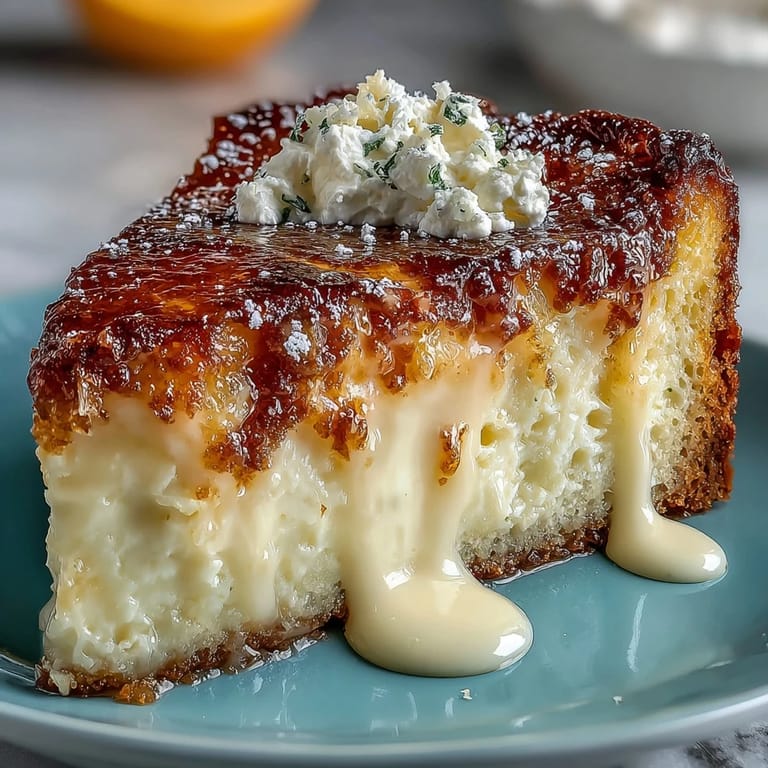
Save Years later, I still remember the way my mother's eyes lit up the first time she tasted this tart—she'd been skeptical about homemade pastry, convinced it was beyond her skill level, but watching her fork through that buttery crust and into the bright filling seemed to shift something. She made it three times that month, and now it's her tart, though I still catch her using my notes when she bakes it.
The Secret to a Crisp Crust
The difference between a soggy tart and one with a genuinely crackling bite comes down to two things: keeping your butter cold during dough-making, and blind baking long enough that the bottom isn't just pale but actually cooked through. I learned this the hard way after my first attempt turned into something closer to a quiche texture, which, while edible, wasn't the elegant dessert I'd envisioned. The blind bake isn't just tradition—it's protection against the moisture from the filling softening what should be your crispest layer.
Why Fresh Lemon Juice Matters
Bottled lemon juice has a flat, almost medicinal quality that becomes obvious the moment you compare it to juice you've squeezed yourself. Fresh juice has brightness and complexity that commercial versions simply can't replicate, and since the filling is really just lemon, eggs, butter, and sugar, each component needs to be at its best. Squeeze your lemons just before mixing the filling so you capture all that aromatic oil that starts to fade within minutes.
Variations Worth Trying
Once you master this version, the tart becomes a canvas for your own experiments and preferences. I've made it with blood orange juice for a deeper, more mysterious flavor, and with lime for something tropical and unexpected. The beauty is that you can follow the exact same process and completely change the personality of the dessert.
- Substitute half the lemon juice with freshly squeezed orange or blood orange juice for a warmer, slightly less sharp filling.
- Add a tablespoon of limoncello or Cointreau to the filling for sophistication and depth without making it taste boozy.
- Dust the finished tart with regular powdered sugar rather than a heavy coating—less is always more with this particular dessert.
 Save
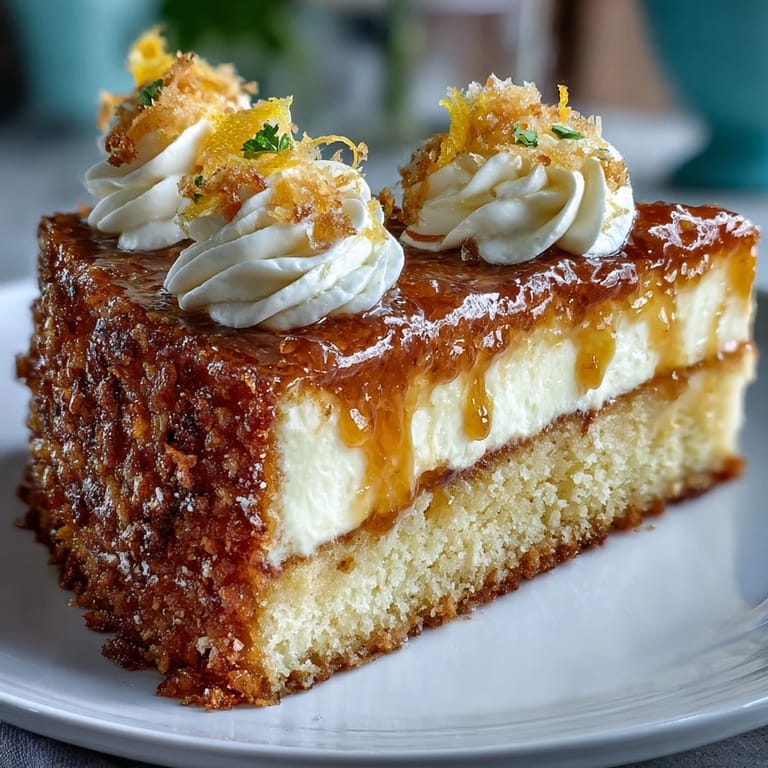
Save This tart has a way of making ordinary moments feel a little more deliberate, a little more worth celebrating. Whenever I make it, I'm reminded that sometimes the most elegant things start with just a few quality ingredients and the willingness to pay attention while they come together.