Save
Save My uncle stood at his kitchen counter on a Saturday afternoon, hands moving through the motions of this dish like muscle memory, and I watched catfish fillets transform from pale and ordinary to golden and crackling in hot oil. He never used a recipe, just reached for the cornmeal and spices with the certainty of someone who'd made this a hundred times before, and when I finally asked him to teach me, he laughed and said the real secret was in paying attention to the sound the fish made when it hit the pan. That sizzle meant everything was right, and from that moment forward, I understood that soul food wasn't just about ingredients—it was about honoring a tradition that lived in the hands of the people who cooked it.
I made this for my best friend on a humid July evening, and she closed her eyes after the first bite like she was remembering something she'd forgotten. The kitchen smelled like hot oil and spices, and there was something about serving her this warm plate that felt like saying things I couldn't quite put into words. She asked for seconds before finishing her first, and we sat on the porch eating until the food was gone and the sun had nearly disappeared, talking about everything and nothing at all.
Ingredients
- Catfish fillets: These are the heart of the dish—mild, sweet, and forgiving if you're new to frying fish.
- Buttermilk: Don't skip this; it tenderizes the fish and helps the coating stick beautifully.
- Yellow cornmeal: This is what creates that signature crunch; polenta won't give you the same texture.
- Paprika, garlic powder, onion powder, cayenne: These spices work together to build warmth and depth without overpowering the delicate fish.
- Dijon mustard: The backbone of a proper remoulade, adding sharpness that cuts through the richness of the mayo.
- Fresh lemon juice: Brightens everything and keeps the sauce from feeling heavy.
- Vegetable oil: Use something with a high smoke point; it makes a difference in how clean the fry tastes.
Tired of Takeout? 🥡
Get 10 meals you can make faster than delivery arrives. Seriously.
One email. No spam. Unsubscribe anytime.
Instructions
- Marinate the fish:
- Whisk buttermilk with hot sauce and submerge your catfish fillets, letting them sit for at least 15 minutes while you prep everything else. This step is worth the patience—the acid in the buttermilk is quietly transforming the fish into something more tender.
- Mix your coating:
- Combine cornmeal, flour, and all those beautiful spices in a shallow dish, stirring well so nothing settles to the bottom. This is your foundation for golden, even coating.
- Heat your oil:
- Get your oil to 350°F and let it sit there—don't rush this part, as the temperature matters more than you'd think. If it's too cool, you'll end up with greasy fish instead of crispy fish.
- Dredge with intention:
- Pull each fillet from the buttermilk, let the excess drip off, then press it gently into the cornmeal mixture, turning to coat both sides evenly. The light pressure helps the coating cling without crushing the delicate fish.
- Fry until golden:
- Work in batches so you don't crowd the pan—that sizzle your uncle mentioned is your signal that everything's working right. Three to four minutes per side should give you a deep golden color and cooked-through fish.
- Make your remoulade:
- While the catfish rests on paper towels, stir together mayo, mustard, horseradish, hot sauce, pickle relish, lemon juice, garlic, smoked paprika, and parsley until everything's incorporated. Taste and season with salt and pepper, remembering that you can always add more but can't take it back.
- Serve immediately:
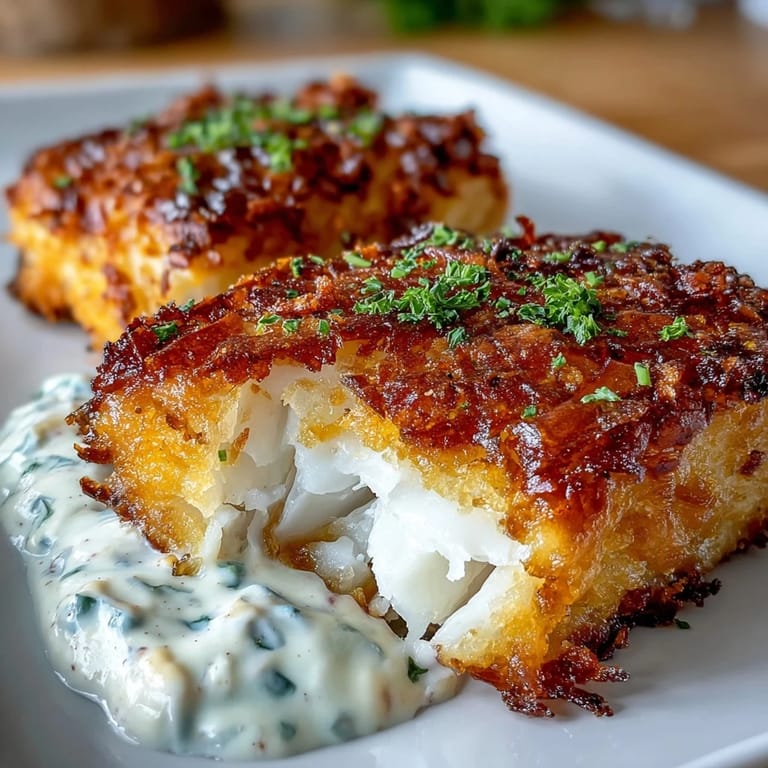
- Plate the hot catfish while it's still warm and crispy, with a generous dollop of remoulade on the side for dipping.
 Save
Save There's a moment during frying when you stop thinking about the mechanics of it all and just listen—to the oil, to the sizzle, to the rhythm of it—and that's when you know you're doing it right. This dish taught me that cooking isn't about perfection; it's about presence, and when you're present in the kitchen, the food knows.
The Art of the Perfect Fry
Temperature is everything when you're frying catfish, and I learned this the hard way by making batches at 325°F that turned out soggy instead of crispy. Once I invested in a simple thermometer and committed to holding 350°F, everything changed—the fish fried faster, the coating stayed crackling, and the oil stayed cleaner. The window between underdone and overdone is small, so keeping an eye on color is your best friend; golden brown usually means the inside is cooked through and tender.
Building Your Remoulade
The remoulade is where you get to play a little, adjusting the balance of heat, tang, and creaminess to match your taste. I've made versions where the horseradish is subtle and others where it dominates, and they're all good—it just depends on whether you want the sauce to whisper or shout alongside your fish. The smoked paprika adds a layer of warmth that feels modern without being out of place on a Southern table, and the fresh parsley at the end gives it life and color.
Sides and Serving Suggestions
This catfish is versatile enough to sit at the center of a weeknight dinner or a proper spread, and the sides you choose set the whole mood. Coleslaw provides a cool, crunchy counterpoint to the warm fish, while hush puppies lean into the tradition and make it feel like a celebration. If you're in the mood for something creamy, grits are the answer—they soak up the remoulade sauce like they were made for each other.
- Cool coleslaw balances the warmth and richness of fried catfish beautifully.
- Hush puppies complete the soul food experience and feel right alongside this dish.
- Creamy grits create a base that turns the meal into something more substantial and comforting.
 Save
Save There's something sacred about serving someone food that asks nothing of them except to sit, eat, and be present. This catfish dish carries generations of knowledge and care in every crispy bite, and when you make it for people you love, you're offering them more than just dinner—you're offering them a seat at a table where they belong.
Recipe Questions & Answers
- → What spices are used for seasoning the catfish?
The catfish is seasoned with paprika, garlic powder, onion powder, cayenne pepper, salt, and black pepper mixed into the cornmeal coating.
- → How is the remoulade sauce made?
The sauce combines mayonnaise, Dijon mustard, prepared horseradish, hot sauce, sweet pickle relish, lemon juice, minced garlic, smoked paprika, and fresh parsley, seasoned with salt and pepper.
- → Can I substitute the catfish with another fish?
Yes, tilapia or cod can be used as alternatives, offering similar texture and flavor when prepared the same way.
- → How do you achieve a crispy coating on the catfish?
Marinate the fillets in buttermilk and hot sauce, then dredge in the seasoned cornmeal mixture. Double-dipping in the marinade and dry mix before frying enhances crunch.
- → What oil and temperature are recommended for frying?
Use vegetable oil heated to 350°F (175°C) for a crispy, evenly cooked crust without excess greasiness.
- → What side dishes pair well with this preparation?
Classic accompaniments include coleslaw, hush puppies, or creamy grits to complement the spicy and tangy flavors.