 Save
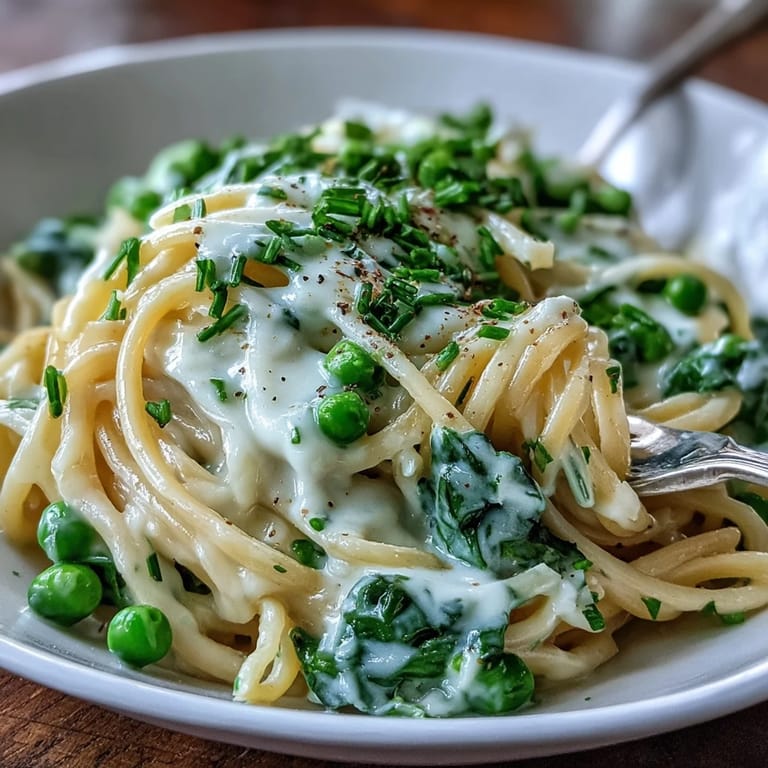
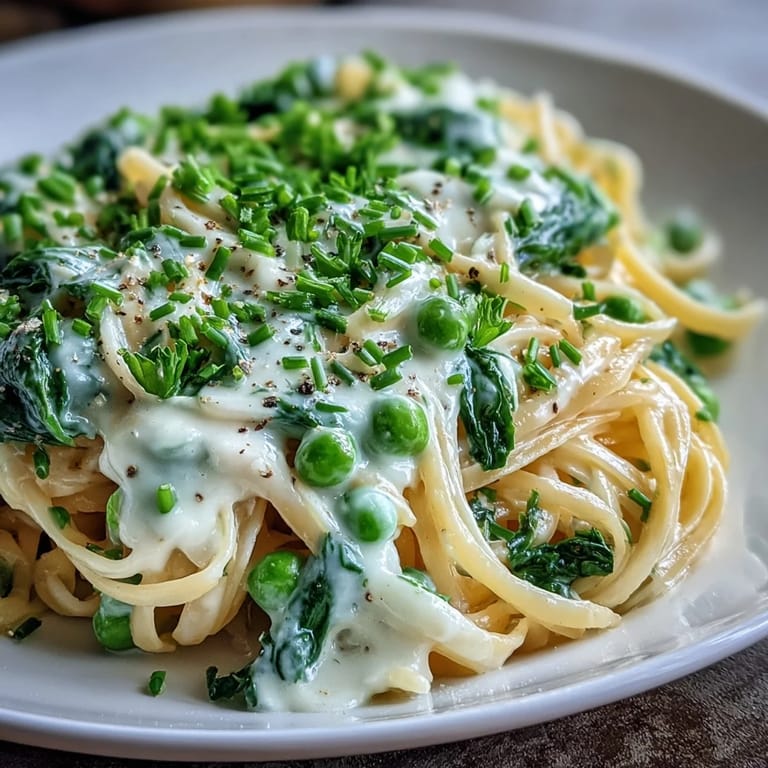
Save Every year as the weather finally turns gentle and green, the kitchen feels lighter somehow: windows open, birds chattering, the urge to cook something luminous and bright is irresistible. This spring pasta, shimmering with lemon cream and dotted with sweet peas, came together one afternoon when I couldn’t wait another day for true warmth. The aroma of just-zested lemon put a bounce in my step, and even the spinach looked like it was celebrating. It’s a dish that feels like it wants to be eaten with sunlight streaming in and friends at the table. The memory of fresh chives finely sprinkled always makes me smile—maybe because their cut-grass fragrance seemed to mark a new season had finally arrived.
I once returned from the farmers market, arms overloaded with greenery, and decided to improvise this for some friends who’d helped me move. We laughed about using the good plates for a weeknight meal, but when the scent of garlic hit the butter and mingled with lemon, everyone circled around the stove and started stealing bites straight from the pan with forks.
Ingredients
- Linguine or fettuccine: Use whichever you prefer: I’ve learned that slightly starchy noodle water helps thicken the sauce, so al dente is best.
- Fresh or frozen peas: Sweet peas are the heartbeat of this dish; if using frozen, don’t let them cook too long or they lose their pop.
- Baby spinach: Roughly chopped, spinach wilts beautifully without overwhelming the delicate sauce—toss it in just before serving.
- Fresh chives: Their gentle bite is essential for good balance; a quick sprinkle wakes everything up.
- Unsalted butter: Melts into the garlic for a subtle richness—you want the foundation to be gentle, not greasy.
- Garlic: Just enough for warmth and aroma, not to overshadow the spring flavors.
- Heavy cream: Improves the texture and clings to pasta; I once tried half-and-half and missed the silkiness instantly.
- Lemon zest and juice: Zest is key for brightness, juice for a gentle acidity—use both for depth.
- Parmesan cheese: Adds salinity and body; grate it fresh for the best texture.
- Salt and black pepper: Start with a pinch and taste as you go, especially at the end.
- Extra Parmesan, lemon zest, and pepper: Don’t skip these—the garnishes make every forkful better.
Tired of Takeout? 🥡
Get 10 meals you can make faster than delivery arrives. Seriously.
One email. No spam. Unsubscribe anytime.
Instructions
- Boil Your Pasta:
- Bring your biggest pot of salted water to a rolling boil, then add the pasta and cook until gloriously al dente. Scoop out half a cup of the pasta water before draining—trust me, you’ll be glad you did.
- Start the Sauce Base:
- While your pasta simmers, melt the butter in a wide skillet over medium heat until it gently foams and the kitchen smells like pure comfort, then stir in the garlic until just fragrant.
- Add the Cream & Lemon:
- Pour in the heavy cream and let it warm up until it’s just barely simmering, swirling in the lemon zest and juice—listen for that soft hiss as everything begins to meld.
- Tumble in the Peas:
- Stir the peas right into the sauce, letting them cook just until tender and bright green; this happens quickly, so keep an eye out.
- Finish With Greens and Cheese:
- Lower the heat, add the drained pasta, spinach, Parmesan, and chives, then toss with tongs, splashing in enough reserved pasta water to bring everything together in a creamy, glossy nest.
- Taste, Season, and Garnish:
- Sprinkle in salt and pepper, taste, then heap onto plates, showered with extra Parmesan, a twist of lemon zest, and plenty more cracked pepper.
 Save
Save The first time a friend declared this was —the best pasta I’ve ever had that didn’t take all day, I realized it had become our go-to for easy gatherings. Now, whenever I see the neighbor’s lilacs bloom, I crave this pasta and the fizz of laughter it brings around my table.
How to Brighten Up Spring Even More
An extra squeeze of lemon just before serving makes everything sing, but a scattering of fresh herbs like tarragon or basil can make this even more vibrant. One April, I had some leftover asparagus and shaved it over the top for color and crunch—it was a hit.
Quick Substitutions and Creative Twists
The great secret of this recipe is how flexible it is: sometimes I swap arugula for spinach, or toss in a handful of blanched snap peas. Adding sautéed shrimp or a few ribbons of smoked salmon brings a touch of fancy without much effort.
Tools and Tiny Details That Matter
Dull knives and a worn-out zester once left me cursing mid-recipe, so now I always prep those first—tiny details, big difference. The right pan helps keep the cream from sticking, and warming the serving bowls before plating keeps everything luscious until the last bite.
- Save some pasta water for tossing—really, don’t forget.
- Grate Parmesan fresh; it melts better than the pre-shredded kind.
- Hit the pasta with a last sprinkle of lemon zest right before serving for color and perfume.
 Save
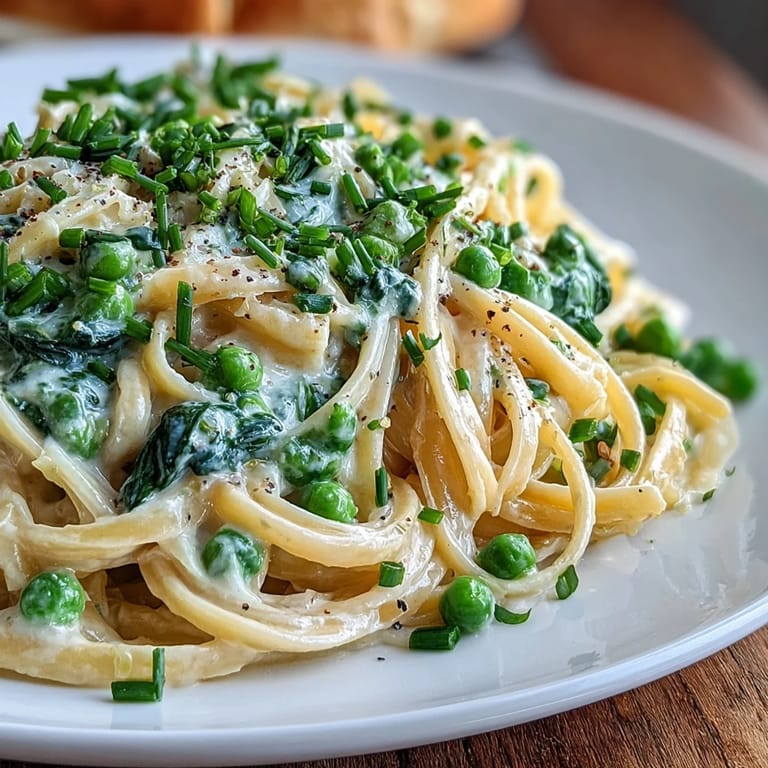
Save This pasta is sunshine on a plate and proof that even a weeknight can feel a little bit special. May your spring be filled with crispy-golden garlic and the scent of lemon in the air.
Recipe Questions & Answers
- → Can I use frozen peas instead of fresh?
Yes. Frozen peas work well and require just 1–2 minutes to become tender after adding to the sauce.
- → What pasta shapes pair best with the lemon cream sauce?
Linguine or fettuccine are excellent choices, as their broad noodles hold the creamy sauce well.
- → How do I prevent the cream sauce from curdling?
Simmer the sauce gently, avoid high heat, and add lemon juice after the cream is slightly warmed to keep it smooth.
- → Is it possible to make the dish gluten-free?
Substitute gluten-free pasta and ensure your cheese is suitable to easily make this pasta dish gluten-free.
- → What protein options can I add?
Sautéed shrimp or grilled chicken both complement the light flavors without overpowering the lemon and peas.
- → What wine pairs well with this dish?
Crisp whites like Sauvignon Blanc or Pinot Grigio highlight the citrus and creamy elements beautifully.