 Save
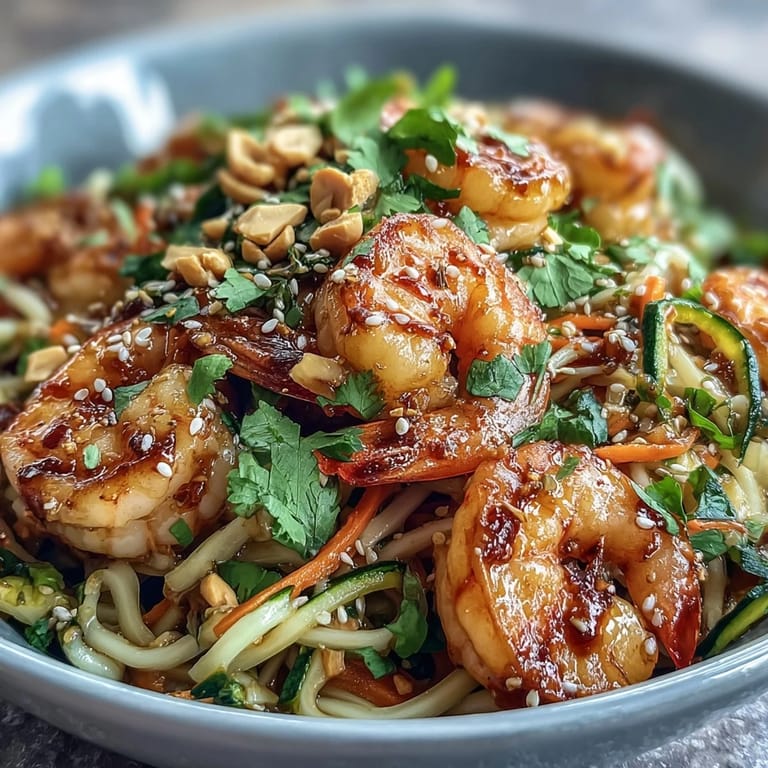
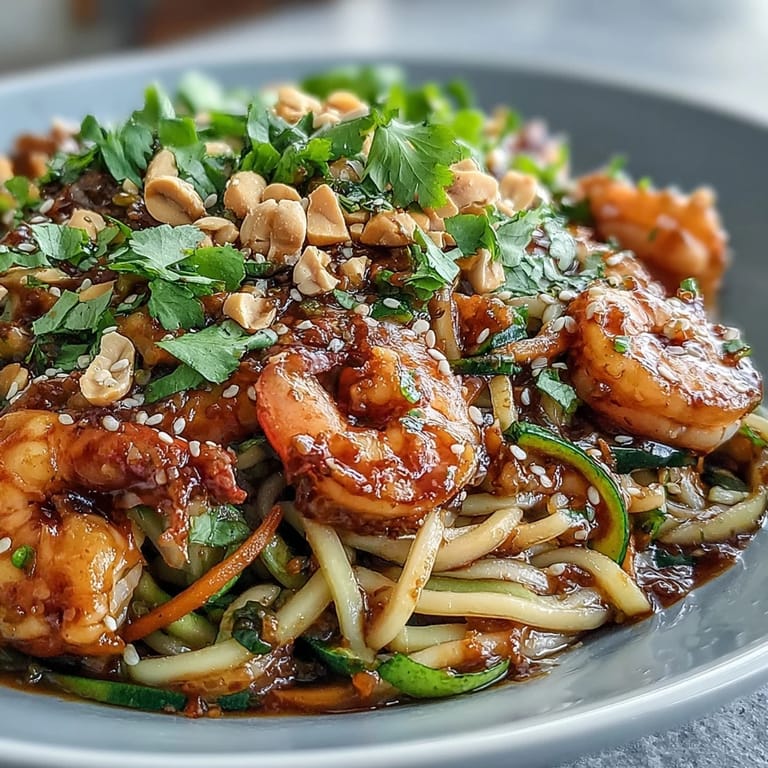
Save My neighbor showed up one Thursday evening with a bag of shrimp from the market and insisted we figure out dinner together. We had rice noodles in the pantry, some vegetables that needed using, and about twenty minutes before we got hungry. What came together that night was this bowl—bright, balanced, and somehow more satisfying than anything we could have ordered. Now whenever I make it, I taste that moment of creative improvisation, when the best meals happen because you're working with what's in front of you.
I made this for my sister when she was visiting between jobs, feeling a bit lost about what came next. She sat at the counter watching me julienne the vegetables, and by the time we were eating, she was laughing about something completely unrelated. Food doesn't fix uncertainty, but sharing a bowl that tastes this good somehow makes the moment feel less heavy.
Ingredients
- Medium shrimp, peeled and deveined: Buy them frozen if fresh seems expensive—they thaw quickly and cook just as beautifully, turning that perfect pale pink when done.
- Rice noodles: These are your base, and rinsing them with cold water after cooking keeps them from clumping together into a starchy mess.
- Zucchini and carrot: Julienning by hand takes two minutes if your knife is sharp; a mandoline is faster but respect the blade—I learned this the hard way.
- Garlic: Minced fine so it scatters through everything and perfumes the pan the moment it hits the heat.
- Green onions: Slice them thick enough to feel them between your teeth, then they add a gentle bite without overwhelming the other flavors.
- Soy sauce: This is your salt and umami anchor; if you need gluten-free, tamari works identically.
- Lime juice: Fresh squeezed makes a real difference—the juice from a bottle tastes dull by comparison.
- Sesame oil: Just a tablespoon goes a long way; it's potent and nutty, and too much makes the bowl heavy.
- Honey or maple syrup: A touch of sweetness balances the salt and the heat, creating that sauce that tastes more complex than its ingredients suggest.
- Chili garlic sauce: Optional but it's there if you want warmth; some people skip it entirely, and that's fine too.
- Roasted peanuts: Chopped roughly so you get shards of texture; if you have a nut allergy, toasted sesame seeds give you that same crunchy richness.
- Fresh cilantro: The brightness at the end that makes you taste all the other flavors more clearly.
Tired of Takeout? 🥡
Get 10 meals you can make faster than delivery arrives. Seriously.
One email. No spam. Unsubscribe anytime.
Instructions
- Cook the noodles:
- Follow the package timing—usually about four minutes in boiling water—then drain and run them under cold water so they stop cooking and separate into individual strands. Set them aside on a plate so they're ready when you need them.
- Mix the sauce:
- Whisk soy sauce, lime juice, sesame oil, honey, and chili garlic sauce together in a small bowl until the honey dissolves. Taste it before it meets the noodles and adjust if something feels off—more lime if it needs brightness, more honey if it's too sharp.
- Wake up the pan:
- Heat your skillet or wok over medium-high heat until it's genuinely hot, then add a splash of oil and let it shimmer. This matters because you want the garlic to toast slightly rather than just warm through.
- Cook the shrimp:
- Add minced garlic first and let it perfume the oil for about thirty seconds, then add the shrimp in a single layer if you can manage it. Cook for two to three minutes until they turn from gray to pink, turning them once, then move them to a clean plate.
- Stir-fry the vegetables:
- In the same pan, add your julienned zucchini and carrot and keep them moving for two to three minutes—you want them tender but still with a little resistance when you bite into them. Don't walk away; this happens faster than you think.
- Bring it together:
- Add the cooked noodles, green onions, and sauce to the pan and toss everything until the noodles are coated and warm. The pan should smell rich and sesame-forward at this point, which means you're close.
- Return the shrimp:
- Add the shrimp back gently and fold everything together so nothing breaks apart and the heat distributes evenly. Taste one bite and add more lime or salt if it needs it.
- Divide and top:
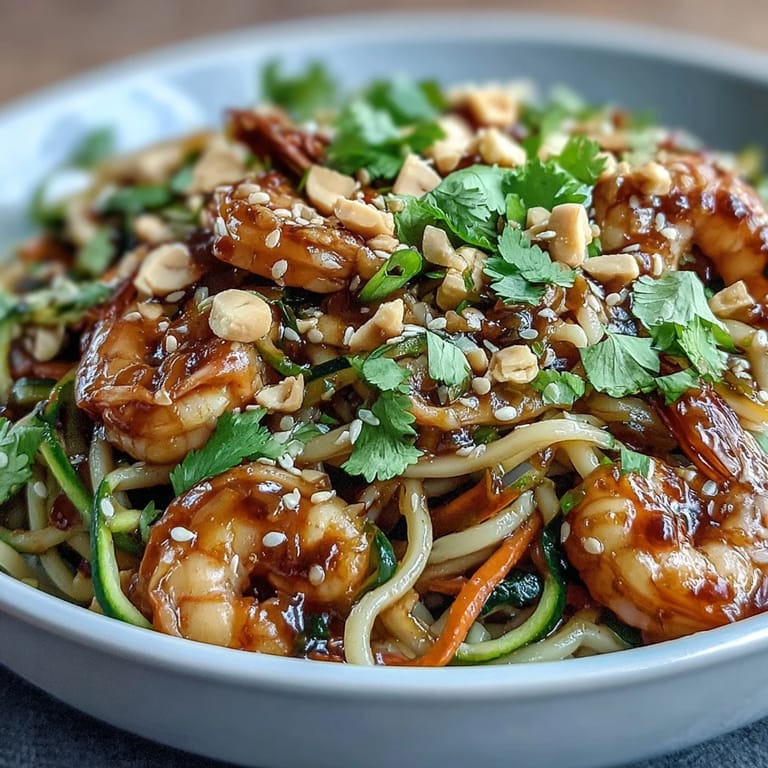
- Spoon into four bowls and scatter the peanuts and cilantro over each one. Serve with lime wedges so people can squeeze them over their bowls if they want extra brightness.
 Save
Save There's a moment right before you add the sauce to the pan when everything still feels separate—noodles here, vegetables there, shrimp waiting on its own plate. Then the sauce hits and it becomes something unified, something that tastes like more than the sum of its parts. That's the magic of this bowl.
The Sauce Is Where the Magic Lives
I've learned that a good sauce is patient work. Whisking those five ingredients together in a small bowl takes maybe one minute, but the balance matters—too much salt and the lime disappears; too much lime and the sesame becomes a whisper. The honey is the secret player because it rounds everything out without tasting sweet. When you taste the sauce on its own, it might seem sharp or strong, but that's exactly what you want because it mellows when it coats the warm noodles.
Why This Works as a Weeknight Dinner
The entire recipe respects your time. Shrimp cooks in minutes because it's already protein-complete, so you're never standing at the stove wondering if it's done. The vegetables are cut thin so they soften quickly without losing their snap. Everything happens in one pan once the noodles are cooked, which means minimal cleanup and no juggling five different burners. I've made this on nights when I was tired and still felt proud of what I served.
Variations That Actually Make Sense
Some mornings I'll make this with tofu instead of shrimp because I'm not in the mood for seafood or because my budget is tighter that week. Tofu doesn't cook any faster, but it takes on the sauce flavor more eagerly, which is its own kind of delicious. You could add red bell pepper for sweetness or snap peas for a different texture, and the bowl will still feel balanced. The core of this dish is flexible—the sauce and the noodles are the anchors, and everything else can shift based on what you have or what you're craving.
- Substitute tofu or chicken for shrimp without changing the cooking time significantly.
- Red bell pepper adds sweetness and snap peas bring a different kind of crunch if zucchini and carrot feel boring.
- If cilantro tastes like soap to you, basil works or even mint—trust your own palate over any recipe.
 Save
Save This bowl tastes like intention. Make it when you have twenty minutes and people who are hungry, and let the simplicity speak for itself.
Recipe Questions & Answers
- → What type of noodles work best in this dish?
Rice noodles absorb the sauce well and provide a light texture that complements the shrimp and vegetables perfectly.
- → Can I substitute shrimp with another protein?
Yes, tofu or chicken can be used as alternatives while maintaining a similar cooking method and flavor profile.
- → How do I get the vegetables crisp yet tender?
Stir-fry the julienned zucchini and carrot quickly over medium-high heat, around 2-3 minutes, to preserve their crunch without overcooking.
- → Is there an option to make this dish gluten-free?
Use gluten-free soy sauce or tamari to keep the sauce gluten-free without altering the taste significantly.
- → What toppings add extra flavor and texture to this bowl?
Roasted peanuts provide crunch while fresh cilantro adds fragrant brightness, both contrasting nicely with the savory noodles.