 Save
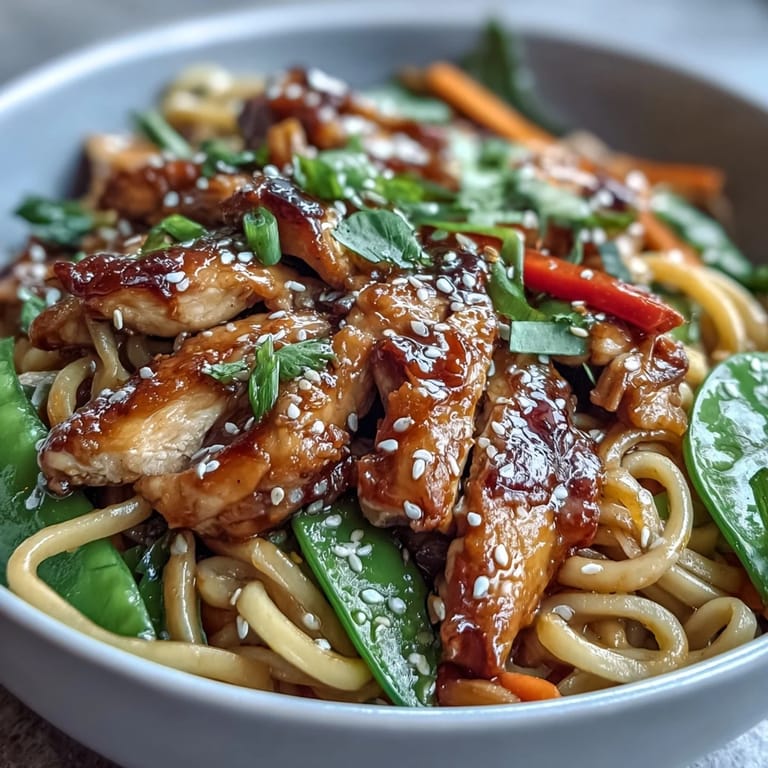
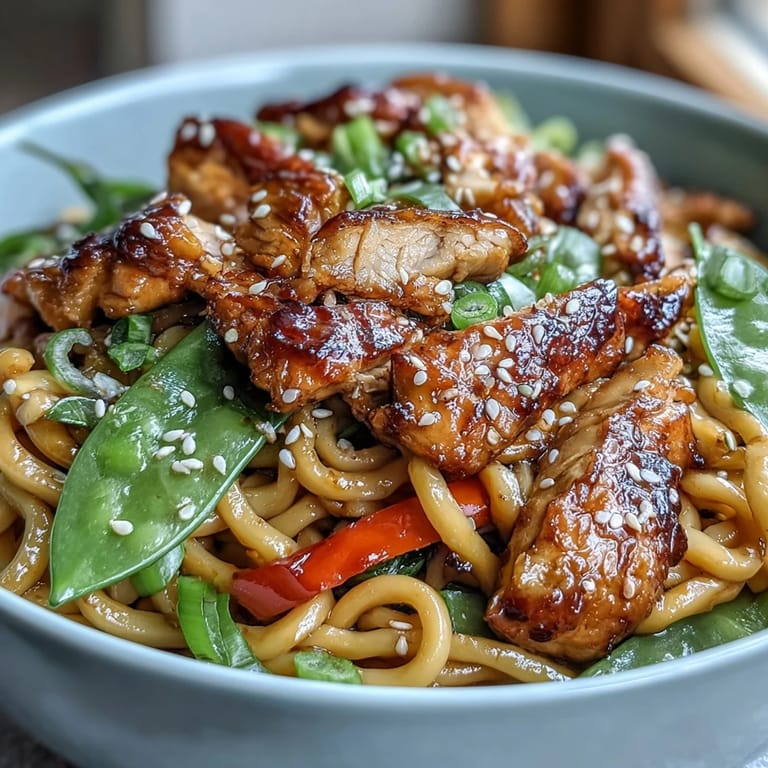
Save There's something about the sizzle of chicken hitting a hot wok that makes you feel like you're cooking something important, even if it's just Tuesday night dinner. I discovered this sesame chicken noodle bowl on an ordinary afternoon when I had chicken, noodles, and a jar of sesame oil staring at me from the pantry. The sauce came together in less than a minute, and suddenly I was serving something that tasted like it had been simmering for hours. My partner came home to the smell of ginger and garlic and didn't even bother asking what we were having.
I made this for friends who were skeptical about homemade Asian food, convinced it would be complicated. When they realized the entire bowl was ready in 35 minutes and tasted better than their favorite restaurant, I watched their faces light up. Now they text me asking for the recipe constantly, and I always smile knowing they're about to discover how simple it really is.
Ingredients
- Boneless, skinless chicken breast or thighs, thinly sliced (500 g or 1 lb): Thighs stay more forgiving if you're worried about drying them out, but breasts work beautifully if you don't overcook them past five minutes.
- Dried udon, soba, or rice noodles (250 g or 9 oz): Choose whatever you have on hand; they all absorb the sauce differently and each brings its own texture.
- Red bell pepper, thinly sliced (1): The sweetness cuts through the savory sauce, and the color makes the bowl look alive.
- Medium carrot, julienned (1): A little sweetness and crunch that holds up beautifully to the heat.
- Sugar snap peas, trimmed (100 g or 3.5 oz): These stay crisp even when tossed with hot sauce, which is why I prefer them over regular peas.
- Spring onions, sliced (2): They add a gentle bite that wakes up every other flavor in the bowl.
- Low-sodium soy sauce (60 ml or 4 tbsp): Low-sodium gives you control; you can always add more salt but you can't take it back.
- Brown sugar (2 tbsp): It dissolves into the sauce and rounds out the salty, tangy edges.
- Toasted sesame oil (1 tbsp): This is where the magic lives, so don't skip it or substitute it with regular oil.
- Rice vinegar (1 tbsp): It brightens the sauce and prevents it from tasting one-dimensional.
- Fresh ginger, grated (2 tsp): Grate it fresh right into the bowl; jarred ginger feels lazy by comparison.
- Garlic, minced (2 cloves): Minced fresh garlic beats garlic powder every single time.
- Cornstarch (1 tsp, optional): Use this if you like your sauce clinging to the noodles; skip it if you prefer it more liquid.
- Toasted sesame seeds (2 tbsp): Toast them yourself if you have time; the difference between toasted and raw is everything.
- Fresh coriander or cilantro, chopped: The herbaceous finish that makes people ask what restaurant you're recreating.
- Lime wedges (optional): A squeeze at the end brightens the entire bowl.
Tired of Takeout? 🥡
Get 10 meals you can make faster than delivery arrives. Seriously.
One email. No spam. Unsubscribe anytime.
Instructions
- Cook the noodles until tender:
- Follow the package directions and don't overthink it. Once they're done, drain them and rinse under cold water so they don't clump together while you're cooking everything else.
- Whisk together the sauce:
- Combine the soy sauce, brown sugar, sesame oil, rice vinegar, ginger, garlic, and cornstarch in a small bowl and stir until the sugar dissolves. This takes about thirty seconds and can happen while your pan is heating.
- Heat your pan and add oil:
- Get your skillet or wok screaming hot over medium-high heat, then add just a splash of oil so the chicken sears instead of steams. You'll hear it sizzle immediately.
- Cook the chicken until golden:
- Add the sliced chicken to the hot pan and leave it alone for a minute so it can brown on one side. Toss and cook for another 3 to 4 minutes until it's cooked through and the edges are caramelized.
- Stir-fry the vegetables quickly:
- Push the chicken to the side, add a touch more oil if the pan looks dry, then add the bell pepper, carrot, and snap peas. Toss constantly for 2 to 3 minutes; you want them tender but still crisp enough to bite into.
- Return the chicken and pour in the sauce:
- Add the chicken back to the pan, pour in that sauce you made earlier, and toss everything until it's glossy and coated. Simmer for a minute or two until the sauce thickens slightly.
- Add the noodles and spring onions:
- Dump in the cooked noodles and sliced spring onions, toss everything together, and let it heat through for about a minute. The whole thing should smell amazing at this point.
- Serve and garnish:
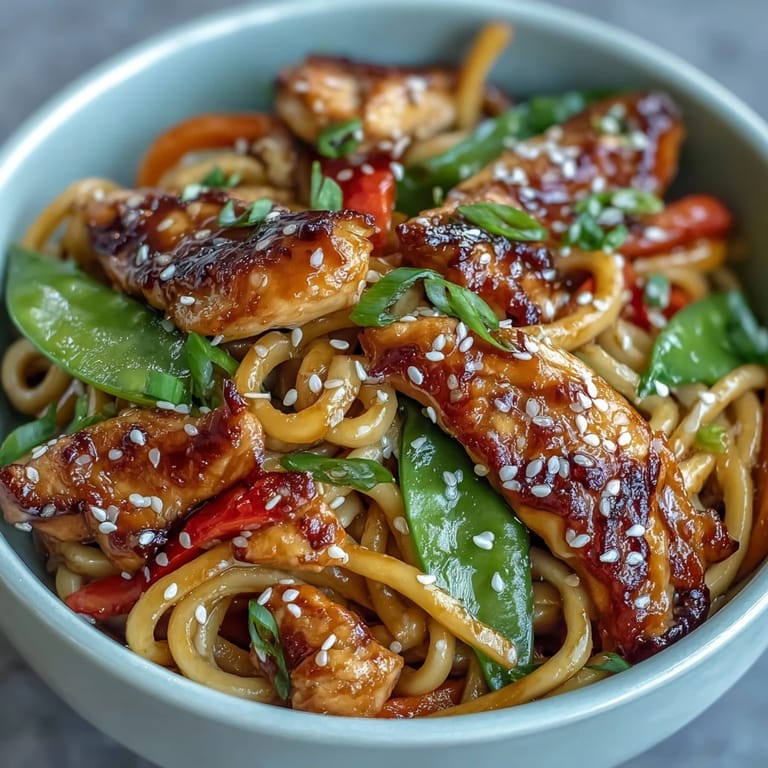
- Divide among bowls and shower with sesame seeds, fresh coriander, and a lime wedge if you're feeling fancy. Eat it while it's still warm.
 Save
Save My nephew, who claims he doesn't like vegetables, ate three bowls of this at a family dinner without realizing he was eating carrots, peppers, and snap peas. That's when I knew this wasn't just a recipe; it was something that could quietly change how people see food.
Variations That Work
The beauty of this bowl is that it bends to whatever you have available. I've made it with tofu for vegetarian friends, added broccoli when carrots ran out, and thrown in mushrooms on the nights when I wanted something earthier. The sauce is so good that it makes nearly any combination taste intentional rather than improvised.
Adjusting the Flavor to Your Taste
If you like things sweeter, add an extra tablespoon of brown sugar directly to your serving. If heat is more your style, sprinkle in some chili flakes or red pepper while everything is in the pan. The rice vinegar can be adjusted too; add more if you want brightness, less if you prefer the flavors to sit heavier on your palate.
Storing and Reheating
Leftovers keep beautifully in the refrigerator for three days, though the noodles will absorb more sauce as they sit. When you reheat, add a splash of water and warm gently so the sauce loosens up again. This bowl actually tastes even better the next day because everything has time to get acquainted.
- Store the sauce separately from the noodles if you're meal prepping, since they'll separate in the fridge.
- Cold leftover noodle bowls make exceptional lunch boxes the next day.
- If the sauce thickens too much when cold, a teaspoon of warm water will bring it back to life.
 Save
Save This is the bowl I make when I want something that feels restaurant-quality but doesn't demand hours of work. It's honest food that tastes like you care without making you feel like cooking was a burden.
Recipe Questions & Answers
- → Can I use a different protein?
Yes, tofu can be substituted for chicken to create a vegetarian-friendly version without compromising flavor.
- → Which noodles work best for this dish?
Udon, soba, or rice noodles can be used, depending on your preference. Each adds its own texture and character.
- → How can I thicken the sauce?
Adding a teaspoon of cornstarch mixed with water before simmering helps thicken the sauce for better coating.
- → What variations of vegetables are suitable?
Broccoli, mushrooms, or even snap peas can be added or swapped to customize the vegetable mix.
- → Is this dish gluten-free?
Use tamari sauce and gluten-free noodles to adapt the dish for gluten-free diets. Always check labels for hidden gluten.