 Save
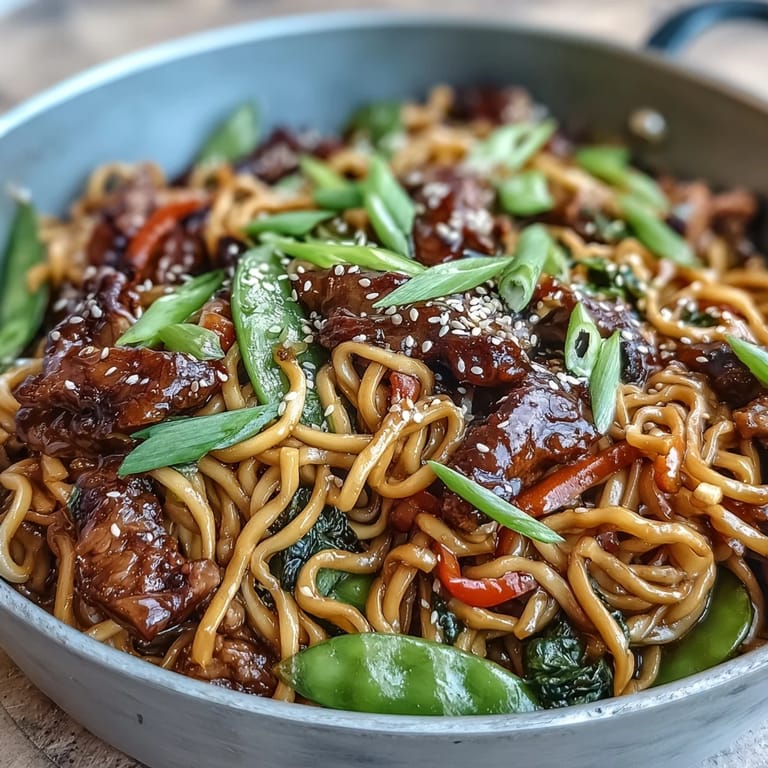
Save The smell of ginger and garlic hitting hot oil still makes me smile every time. I used to think stir-fry was intimidating, all that fast movement and high heat, but one rainy Tuesday changed that. My flatmate showed me how simple it could be: a hot wok, a good sauce, and confidence. Now it's my fallback dinner when the week gets messy and I need something fast that actually tastes like I tried.
I made this for my sister once when she dropped by unannounced, exhausted from work. She sat at the kitchen counter while I chopped and stirred, and by the time the noodles hit the wok, she was already perking up. We ate straight from bowls, no fuss, and she told me it was exactly what she needed. Sometimes the best meals are the ones that just show up when you need them.
Ingredients
- Pork loin or tenderloin: Slicing it thin is key so it cooks fast and stays tender, and freezing it for 20 minutes beforehand makes slicing so much easier.
- Soy sauce and cornstarch (marinade): This quick marinade adds flavor and helps the pork brown beautifully without drying out.
- Egg noodles or rice noodles: Either works, but egg noodles have a slight chew that holds up to the sauce, while rice noodles stay lighter.
- Red bell pepper: Adds sweetness and a pop of color that makes the whole dish look vibrant and alive.
- Carrot: Julienned carrots cook quickly and bring a subtle earthiness that balances the sauce.
- Sugar snap peas: They stay crisp and sweet, adding texture and freshness to every bite.
- Spring onions: Tossed in at the end, they add a sharp, clean flavor that cuts through the richness.
- Garlic and ginger: The foundation of the dish, they bloom in hot oil and fill your kitchen with the most incredible smell.
- Soy sauce, oyster sauce, hoisin sauce: This trio creates a savory, slightly sweet base that coats everything perfectly.
- Sesame oil: Just a teaspoon adds a nutty depth that makes the whole dish feel complete.
- Brown sugar: Balances the salty sauces and helps everything caramelize just a bit in the wok.
- Vegetable oil: High smoke point oil is essential for stir-frying at the heat you need.
- Sesame seeds and coriander: Optional, but they add a finishing touch that makes it feel special.
Tired of Takeout? 🥡
Get 10 meals you can make faster than delivery arrives. Seriously.
One email. No spam. Unsubscribe anytime.
Instructions
- Marinate the pork:
- Toss the sliced pork with soy sauce and cornstarch in a bowl, making sure every piece is coated. Let it sit for 10 minutes while you prep everything else.
- Cook the noodles:
- Boil the noodles according to the package directions, then drain and set them aside. A quick rinse under cold water stops them from sticking together.
- Mix the sauce:
- Whisk together soy sauce, oyster sauce, hoisin sauce, sesame oil, brown sugar, and water in a small bowl. Having it ready means you won't scramble later.
- Sear the pork:
- Heat a tablespoon of oil in your wok over high heat until it shimmers, then add the pork in a single layer. Stir-fry for 2 to 3 minutes until browned and just cooked through, then remove and set aside.
- Stir-fry the vegetables:
- Add the remaining oil, then toss in garlic, ginger, bell pepper, carrot, and snap peas. Keep everything moving for 3 to 4 minutes until the vegetables are tender but still have a bit of bite.
- Bring it all together:
- Return the pork to the wok, add the noodles and sauce, and toss everything together for 2 to 3 minutes. Make sure the noodles are coated and heated through.
- Finish and serve:
- Toss in the spring onions, give it one last stir, and take it off the heat. Serve immediately with sesame seeds and coriander or sliced chili if you like.
 Save
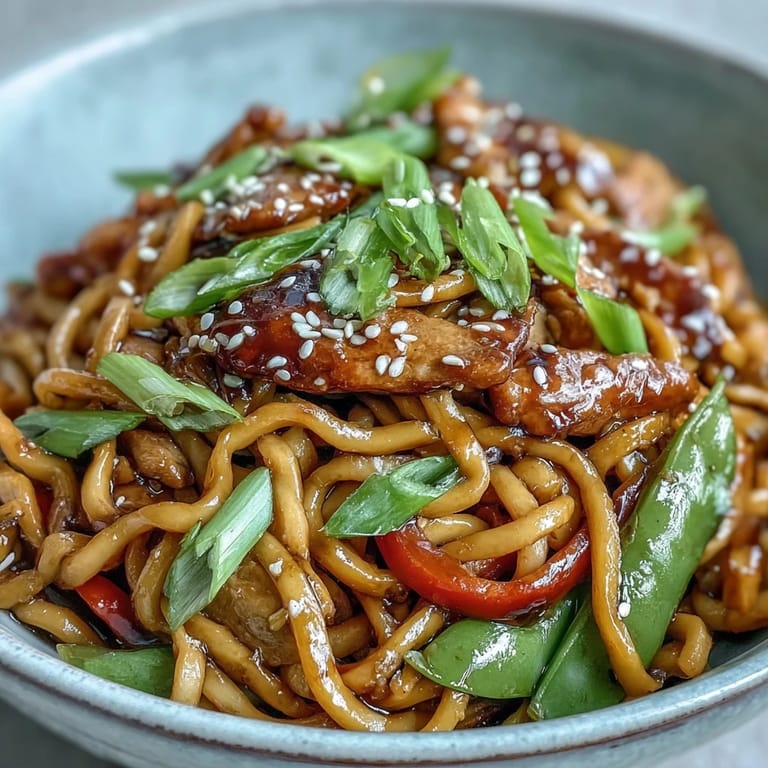
Save One night I made this for a small dinner and someone asked if I'd ordered takeout because it smelled so good. I laughed and showed them the empty wok still sitting on the stove. That moment reminded me that homemade food can feel just as indulgent and exciting as anything from a restaurant, and sometimes even better because you made it happen yourself.
Choosing Your Protein
Pork works beautifully here, but I've swapped it for chicken thighs, firm tofu, and even shrimp depending on what I had around. Chicken cooks just as quickly if sliced thin, tofu gets wonderfully crispy if you press it first, and shrimp only needs a minute or two in the wok. The sauce is forgiving and delicious no matter what protein you choose, so feel free to experiment based on your mood or what's in your fridge.
Vegetable Variations
I've learned that almost any quick-cooking vegetable works in this stir-fry. Baby corn, mushrooms, bok choy, broccoli florets, and even thinly sliced cabbage all hold up well to high heat. The key is cutting everything into similar sizes so they cook evenly. I like to keep at least one crunchy element, like snap peas or bell pepper, because that contrast in texture makes each bite more interesting.
Serving and Storing
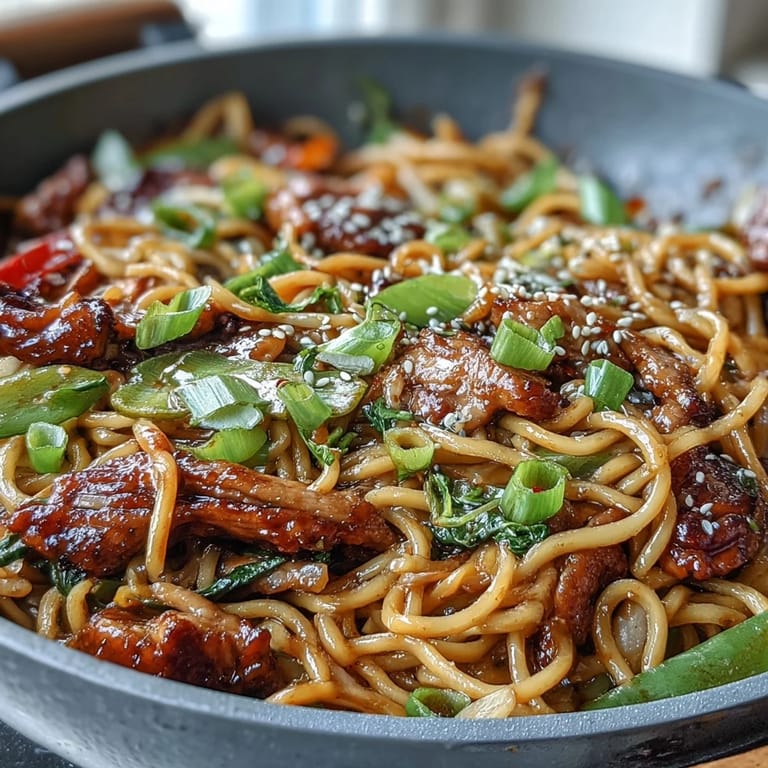
This dish is best eaten fresh and hot, straight from the wok when the noodles still have that slight sear and the vegetables are bright. Leftovers keep in the fridge for a day or two, but the noodles can get a bit soft. If you're reheating, a quick toss in a hot pan with a splash of water brings some life back.
- Serve with a crisp Riesling or a light lager to balance the savory richness.
- Garnish with extra chili if you want heat, or keep it mild for kids or sensitive palates.
- Double the sauce if you like your noodles really saucy, it keeps for a week in the fridge.
 Save
Save This stir-fry has become one of those recipes I turn to when I want something satisfying without the stress. It's fast, forgiving, and always feels like a small victory at the end of a long day.
Recipe Questions & Answers
- → Can I use a different protein instead of pork?
Yes, you can easily substitute chicken, beef, shrimp, or tofu. Adjust cooking times accordingly—chicken and beef need similar timing to pork, while shrimp cooks faster and tofu may need slightly longer to develop color.
- → What type of noodles work best for this stir-fry?
Egg noodles and rice noodles both work excellently. You can also use udon, lo mein, or even soba noodles. Just follow the package instructions for cooking and ensure they're well-drained before adding to the wok.
- → How do I prevent the noodles from sticking together?
After draining the cooked noodles, toss them with a small amount of sesame or vegetable oil. This creates a light coating that prevents clumping. Also, ensure your wok is hot enough when adding the noodles so they heat quickly without sticking.
- → Can I make this dish gluten-free?
Absolutely. Use tamari instead of soy sauce, choose gluten-free rice noodles, and select a gluten-free oyster sauce alternative. Many Asian markets now carry gluten-free versions of these condiments that maintain authentic flavor.
- → What vegetables can I add or substitute?
This stir-fry is very flexible. Try adding mushrooms, baby corn, bok choy, broccoli florets, or cabbage. Just be mindful of cooking times—denser vegetables like broccoli should be added earlier, while leafy greens go in last.
- → How can I make the dish spicier?
Add sliced fresh chilies during cooking, stir in chili oil or sriracha with the sauce, or sprinkle red pepper flakes over the finished dish. You can also serve with extra chili sauce on the side for individual preference.