 Save
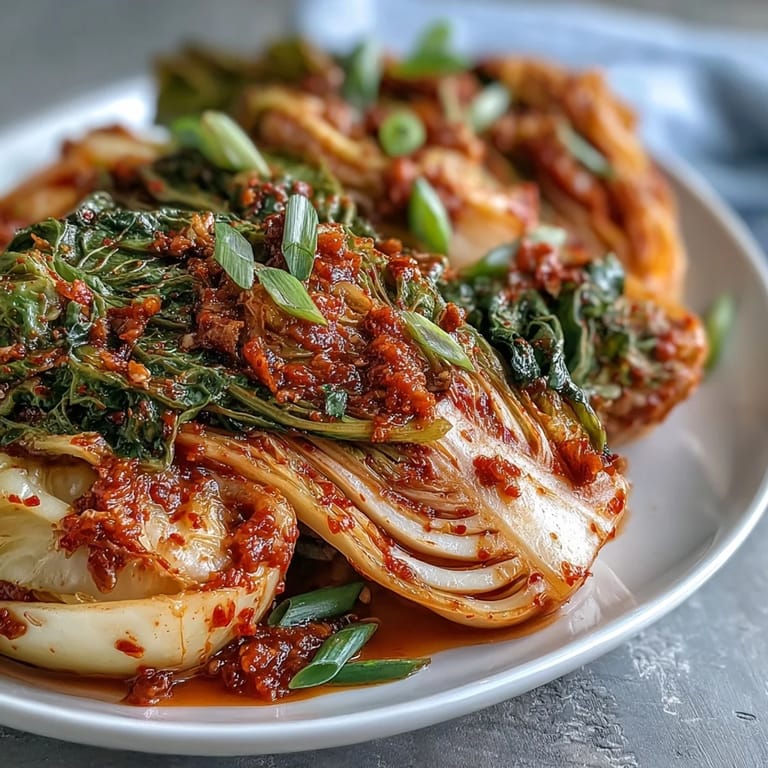
Save The first time I made kimchi, I was standing in a friend's kitchen in Seoul, watching her mother work with the kind of casual confidence that comes from doing something a thousand times. She didn't measure much, just tasted and adjusted, her hands moving quickly through the cabbage with practiced efficiency. What struck me wasn't just how alive the kitchen smelled—ginger, garlic, and chili hanging in the air—but how she explained that good kimchi is never the same twice. It changes with the season, with what vegetables are fresh, with patience. I went home determined to understand this alchemy.
Years later, I brought homemade kimchi to a potluck and watched people go back for thirds, mixing it into rice, tucking it into sandwiches, asking for the recipe. What got me wasn't the compliments, but overhearing someone say it tasted like home, even though they'd never had it before. That's when I realized kimchi isn't just food—it's an invitation to slow down and let something become what it's meant to be.
Ingredients
- Napa cabbage (1 large head, about 1.2 kg): The foundation—choose one that feels dense and unblemished, as it'll hold up beautifully through salting and fermentation.
- Daikon radish (1 medium, about 200 g, julienned): Adds a sharp, peppery crunch that balances the heat and keeps things interesting bite after bite.
- Scallions (4, sliced): A gentle onion note that softens during fermentation without overpowering the other flavors.
- Carrot (1 medium, julienned, optional): Brings natural sweetness and a touch of color, though it's not traditional—use it if you want extra body.
- Coarse sea salt (80 g / 1/3 cup): The key to drawing moisture from the cabbage; table salt won't work the same way, so don't skip the coarse kind.
- Cold water (1.5 liters / 6 cups): Use filtered if your tap water is heavily chlorinated, as it can interfere with fermentation.
- Garlic (6 cloves, minced): This is your umami anchor—don't use garlic powder, the fresh kind ferments into something deeper and more alive.
- Fresh ginger (1 thumb-sized piece, peeled and minced): A subtle warmth that develops and rounds out over days; mince it small so it distributes evenly.
- Small onion (1, roughly chopped): Blends into the paste to add body and mild sweetness that mellows as fermentation happens.
- Fish sauce (3 tbsp) or soy sauce for vegan: The secret weapon that makes everything taste intentional and complete—this is where the umami lives.
- Sugar (1 tbsp): A small amount feeds the fermentation process and balances the heat slightly; it's not about sweetness here.
- Korean red chili flakes/gochugaru (3–5 tbsp): The soul of kimchi—start with 3 and taste as you go, since heat levels vary wildly between brands.
- Rice flour (2 tbsp): Makes the paste cling to every vegetable and creates a light, pleasant texture that thickens during fermentation.
Tired of Takeout? 🥡
Get 10 meals you can make faster than delivery arrives. Seriously.
One email. No spam. Unsubscribe anytime.
Instructions
- Prepare the cabbage:
- Cut your napa cabbage lengthwise into quarters, then chop into 2-inch pieces—you're looking for manageable chunks that'll pack neatly into jars later. Don't make them too small or they'll turn to mush during fermentation.
- Salt and soften:
- Dissolve sea salt in cold water and submerge your cabbage pieces, using a plate and weight to keep everything pressed down. Toss every 30 minutes over 2 hours—you'll feel the cabbage getting softer and more pliable as the salt does its work.
- Rinse thoroughly:
- This step is crucial: drain and rinse the cabbage 2–3 times under cold water until it no longer tastes aggressively salty. The goal is seasoned, not pickled.
- Make the paste base:
- Whisk rice flour with 150 ml water in a small saucepan over medium heat, stirring constantly until it thickens into a thin, glossy paste (about 1–2 minutes). This starch layer helps everything bind beautifully together.
- Blend the seasonings:
- Once the rice paste cools, combine it in a blender with minced garlic, ginger, chopped onion, fish sauce, and sugar, blending until completely smooth. In a bowl, stir the gochugaru into this blended mixture—this way it distributes evenly rather than clumping.
- Massage everything together:
- Put on kitchen gloves and combine your drained cabbage, daikon, carrot, and scallions in a large bowl, then add the spice paste. Massage thoroughly, working the paste into every layer and crevice; this is meditative work and worth taking your time with.
- Pack into jars:
- Press the kimchi tightly into clean glass jars or a fermentation crock, pushing down to remove air pockets as you go. Leave at least 1 inch of headspace at the top.
- Begin fermentation:
- Seal the jars and leave them at room temperature, away from direct sunlight, for 1–2 days. Burp (open briefly to release pressure) them daily—you'll feel gas building up, and this is exactly what should happen.
- Taste and store:
- After 48 hours, open a jar and taste—you're looking for that sour, tangy edge that tells you fermentation is active. Once it tastes right, move it to the refrigerator, where it'll continue developing deeper flavors over weeks.
 Save
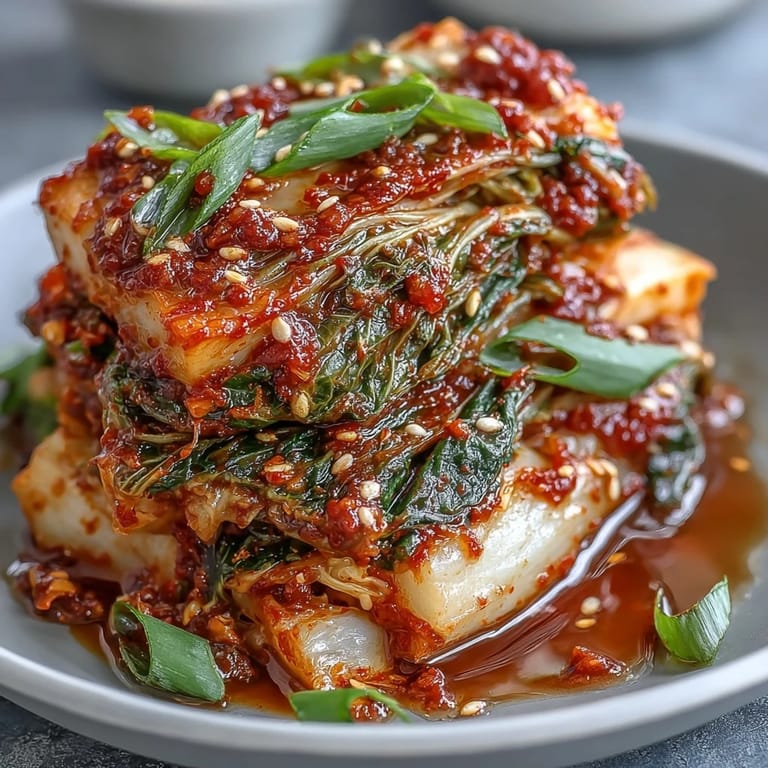
Save There's a particular moment when you open a jar of homemade kimchi and the smell hits you—not an aggressive reek, but something alive and intentional—and you realize you've created something that'll improve every meal it touches. It's the kind of small kitchen accomplishment that feels disproportionately rewarding, like you've tapped into something ancient and essential.
Finding Your Spice Level
The first batch I made was aggressively hot because I followed the recipe exactly without considering that gochugaru brands vary wildly in intensity. Now I start with 3 tablespoons and taste the paste before committing to more—there's no shame in building heat gradually, and you can always add but can't take away. If you're feeding people who avoid heat, try adding finely grated apple or pear to the paste; the natural sweetness tames the chili beautifully without diluting the flavor.
Vegan and Dietary Swaps
Removing fish sauce for soy sauce is straightforward, but understand that you're losing a certain umami depth—compensate by using a higher-quality soy sauce or adding a small splash of tamari or coconut aminos if you're avoiding soy entirely. The fermentation process still works perfectly, and honestly, many people prefer the gentler flavor profile of soy-based kimchi, especially if they're new to the taste.
Serving and Storing Your Kimchi
The beauty of kimchi is its versatility—serve it as a crunchy side with rice and eggs, stir it into soups just before eating, layer it into sandwiches, or use it as a topping for grain bowls where you need acid and heat. I've discovered that cold kimchi alongside crisp lager or dry Riesling makes an unexpectedly sophisticated pairing, though honestly, it's good with everything. Your fermented kimchi will keep in the refrigerator for months, though the texture softens gradually and the flavor deepens, so it never truly spoils—just evolves.
- Reserve the liquid when you use kimchi in cooking; it's liquid gold for dressings and marinades.
- If your kimchi gets too soft, chop it and use it in soups, stews, or as a sandwich spread.
- The fresher batches work best as sides, while older, tangier batches shine in cooked dishes where their stronger personality matters.
 Save
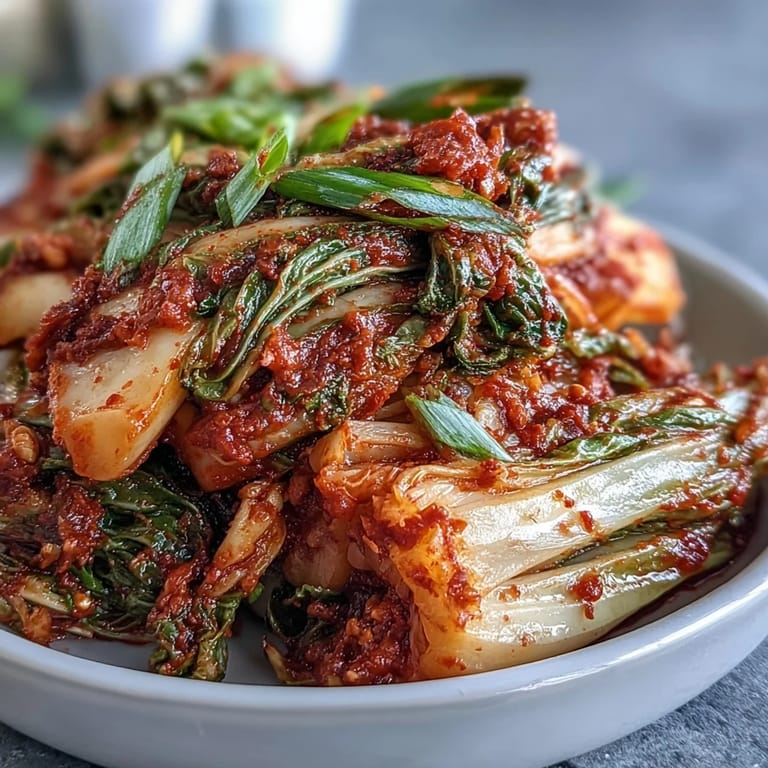
Save Making kimchi taught me that good food isn't always about perfection or following rules precisely—it's about understanding the principles and then trusting your instincts. Every batch you make will teach you something different about fermentation, flavor, and patience.
Recipe Questions & Answers
- → How long does kimchi need to ferment?
Kimchi typically ferments at room temperature for 1-2 days before refrigeration. The fermentation continues slowly in the refrigerator, developing deeper tangy flavors over several weeks. Taste after 48 hours and refrigerate once the desired sourness is achieved.
- → Can I make kimchi vegan?
Absolutely. Substitute the traditional fish sauce with soy sauce or a vegan fish sauce alternative. The rest of the ingredients including napa cabbage, Korean chili flakes, garlic, ginger, and vegetables are naturally plant-based.
- → What is gochugaru and can I substitute it?
Gochchugaru are Korean red chili flakes with a distinctive fruity heat and vibrant red color. While regular red pepper flakes or cayenne can work in a pinch, they won't provide the same authentic flavor profile or color. Look for gochugaru in Asian markets or specialty grocery stores.
- → Why do I need to burp the jars during fermentation?
During fermentation, beneficial bacteria produce carbon dioxide gas as a byproduct. Burping the jars daily releases this pressure buildup, preventing potential jar breakage or messy explosions. Simply open the lid briefly to let gas escape, then reseal tightly.
- → How do I know when kimchi has gone bad?
Fresh kimchi has a tangy, sour aroma with spicy and garlicky notes. Signs of spoilage include unpleasant off-odors, mold growth, unusually dark coloration, or an extremely mushy texture. Properly fermented and refrigerated kimchi can last several months while continuing to develop flavor.
- → Can I adjust the spice level?
Certainly. Start with 3 tablespoons of gochugaru for medium heat, or reduce to 1-2 tablespoons for milder flavor. For those who love intense spice, increase to 4-5 tablespoons. Adding grated apple or pear to the spice paste naturally mellows the heat while adding subtle sweetness.