 Save
Save The first time I made crab cakes, I was standing in a seafood market on a Saturday morning, holding a container of fresh lump crab meat and trying not to feel overwhelmed by its delicate, briny smell. My grandmother had mentioned offhandedly that they were easier than I thought, that the real secret was knowing when to stop mixing. I went home, gave it a try, and something clicked the moment that golden patty hit the hot skillet and the butter started to foam. That sound, that sizzle—it meant I'd found something worth making again and again.
I'll never forget the dinner party where I served these to my partner's colleagues, all of whom I was meeting for the first time. I was nervous enough about the conversation, let alone the food, but someone took a bite of the first crab cake and actually closed their eyes. That's when I realized these weren't just good—they were the kind of dish that makes people pause and pay attention.
Ingredients
- Lump crab meat (450 g): This is where the magic lives, so it deserves your attention; pick through it gently to catch any shell fragments and let it tell you whether it's sweet and fresh by its smell alone.
- Egg (1 large): Your binder and the thing that holds all those delicate crab pieces together without needing much help.
- Mayonnaise (60 g): It brings richness and helps everything stay moist while frying, so don't skip it or use a substitute here.
- Dijon mustard (1½ tsp): The sharp note that keeps these from tasting flat, cutting through all that mayo with confidence.
- Worcestershire sauce (1 tsp): A whisper of umami that you won't identify by name but will absolutely notice if it's missing.
- Old Bay seasoning (1 tsp): If you've never used it before, this spice blend is basically the soul of crab cakes—peppery, warm, and utterly essential.
- Fresh lemon juice (1 Tbsp): Brightens everything and reminds you that this came from the sea.
- Fresh parsley and spring onions (2 Tbsp and 2 onions): These herbs add life and a subtle onion bite that keeps things from being one-note.
- Panko breadcrumbs (60 g): The crispy exterior happens because of these; they're coarser than regular breadcrumbs and toast up beautifully.
- Butter and neutral oil (2 Tbsp each): Together they create the perfect frying medium—the butter adds flavor while the oil keeps the temperature stable.
Tired of Takeout? 🥡
Get 10 meals you can make faster than delivery arrives. Seriously.
One email. No spam. Unsubscribe anytime.
For the Tangy Sauce
- Mayonnaise (120 g): The creamy base that makes this sauce taste like it belongs on a plate next to something elegant.
- Dijon mustard (1 Tbsp): Here it's more prominent, giving the sauce personality and a pleasant bite.
- Fresh lemon juice (1 Tbsp): Keeps it from tasting heavy, adding brightness that makes you want another bite.
- Hot sauce (1 tsp): Optional, but it's the thing that tips this from good to unforgettable if you like a little heat.
- Garlic (1 small clove, minced): Just enough to add depth without overpowering the delicate sauce.
Instructions
- Gather and prepare everything:
- Lay out all your ingredients before you start mixing; this is when you'll notice if you're missing something and when you can pick through the crab meat carefully in good light.
- Combine gently:
- In your large bowl, fold together the crab meat, egg, mayo, mustards, Worcestershire, Old Bay, lemon juice, herbs, and panko as if you're tucking them into bed rather than wrestling with them. The slower and gentler you move, the more tender chunks of crab you'll preserve.
- Season to taste:
- Taste a tiny pinch of the mixture and adjust the salt and pepper; remember that the Old Bay already has salt in it, so don't get too heavy-handed.
- Shape and chill:
- Divide the mixture into 8 portions and shape them into patties about 2½ inches across, then slide them onto a plate and into the fridge for at least 15 minutes—this firms them up so they hold together in the pan.
- Make the sauce:
- While everything chills, whisk together the mayo, mustard, lemon juice, hot sauce if you're using it, and minced garlic until it's smooth and cohesive, then season to taste.
- Heat your cooking medium:
- Place a large nonstick skillet over medium heat and add the butter and oil together; let them foam and marry for about a minute before you add anything.
- Fry in batches:
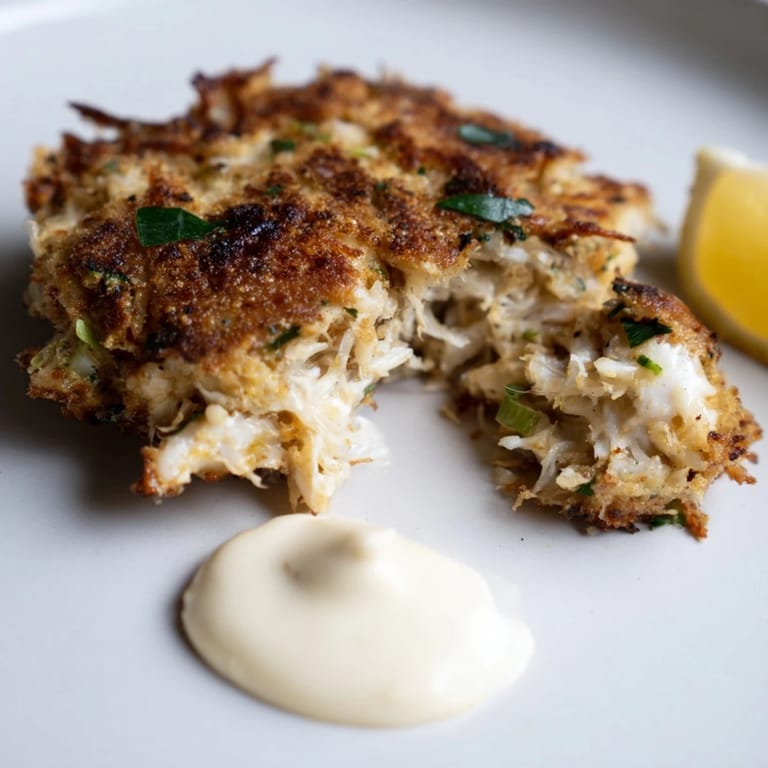
- Slide the crab cakes into the pan without crowding them, and listen for that sizzle—it means the temperature is right. Let them go 3 to 4 minutes per side until they're golden and the edges are crispy.
- Drain and serve:
- Lay them briefly on paper towels to shed any excess oil, then plate them warm with a spoonful of that tangy sauce.
 Save
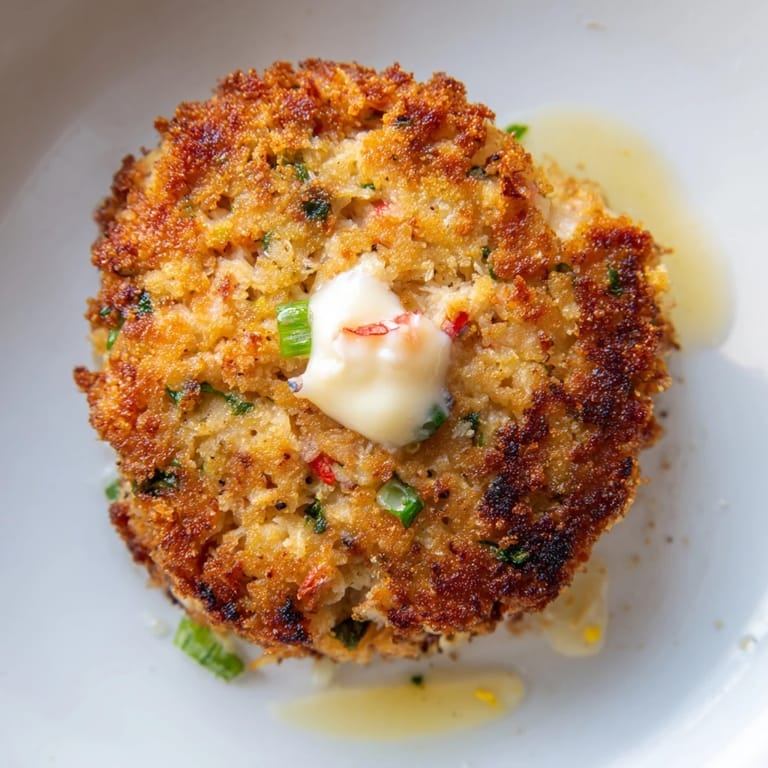
Save There's a moment after you've flipped the first crab cake and it comes away from the pan with a clean, satisfying sound that you know you're going to be making these regularly. It's the kind of dish that feels special enough to serve guests but easy enough that you'll actually make it for yourself on a random Tuesday.
The Texture Story
The magic here is contrast—crispy panko exterior giving way to soft, sweet crab meat studded with herbs and that tender crumb. You want that panko to toast until it's nearly golden, which is why the medium heat matters; too hot and you'll burn the outside before the inside sets, too cool and they'll just absorb oil like sad little sponges. The moment you get the temperature right, everything falls into place.
Timing and Temperature
Crab cakes are forgiving about a lot of things, but temperature isn't one of them. Medium heat gives you enough power to crisp the exterior while keeping the inside tender, and the butter-oil combination stays stable enough that you don't get wild temperature swings between batches. If you're cooking for more than 4 people and doubling the recipe, work in smaller batches rather than crowding the pan—patience here pays dividends in texture.
What to Serve Alongside
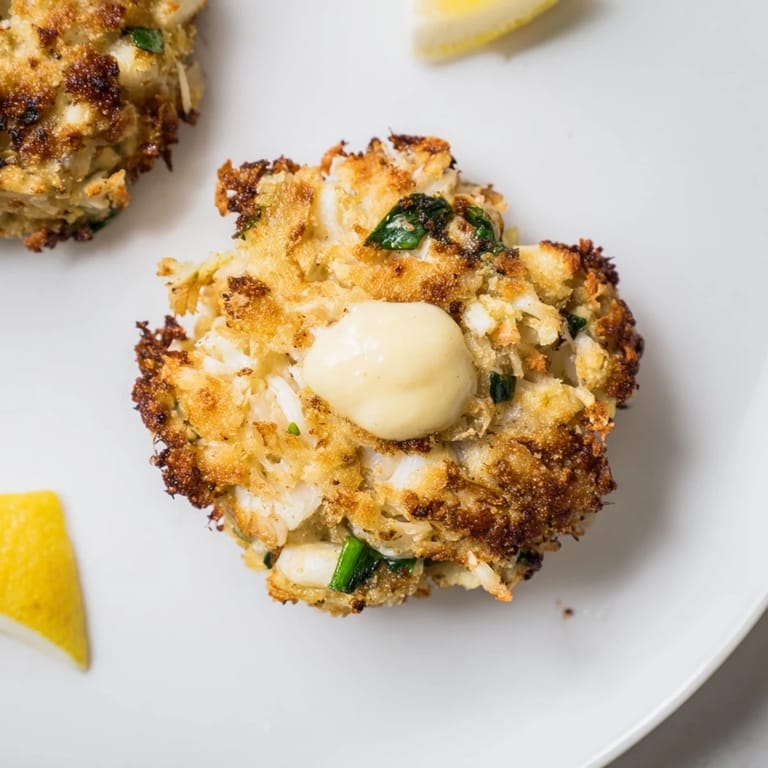
These crab cakes don't need much, which is part of their appeal. A crisp salad cuts through the richness beautifully, and a squeeze of fresh lemon is sometimes all you need. The tangy sauce is the star, but a simple coleslaw gives you another textural element that makes the plate feel complete and restaurant-worthy without any real effort.
- If you want to make it a light meal, serve with a green salad dressed in vinaigrette and let the crab cake be the protein.
- A chilled white wine like Sauvignon Blanc or a dry Riesling is the pairing that makes sense—crisp, bright, and never competing with the delicate seafood.
- Don't forget lemon wedges on the plate, because someone will always want more brightness, and it's better to offer it than hear the ask.
 Save
Save These crab cakes are what I make when I want to feel like I've put in effort without the stress, when I want to impress without the fuss. They're the kind of dish that reminds you why cooking at home matters.
Recipe Questions & Answers
- → How do I prevent crab patties from falling apart while cooking?
Gently mix ingredients to avoid breaking the crab meat too much and refrigerate patties for at least 15 minutes before frying to help them set firmly.
- → Can I use canned crab meat for these patties?
Yes, quality canned crab can be used, though fresh lump crab meat offers the best flavor and texture.
- → What oil is best for frying crab patties?
A neutral oil like vegetable or canola oil combined with butter prevents burning and adds richness during pan-frying.
- → How can I make the patties extra crispy?
Lightly coat the shaped patties in additional panko breadcrumbs just before frying for an extra crunchy exterior.
- → What goes well with these crab patties when serving?
Serve with the included tangy sauce, lemon wedges, and side options like crisp salad or coleslaw. A chilled Sauvignon Blanc or dry Riesling complements well.